Leave a Message

Thank you for your message. We will be in touch with you shortly.

What Is the Camelback Corridor?

Heard people talk about the Camelback Corridor but not sure where it starts or ends? You’re not alone. It’s one of those Phoenix terms locals use all the time, yet few define the same way. In this guide, you’ll get a clear, practical overview of what the Camelback Corridor means, how Arcadia fits into it, and what it’s like to live and buy here. Let’s dive in.

What locals mean by “Camelback Corridor”

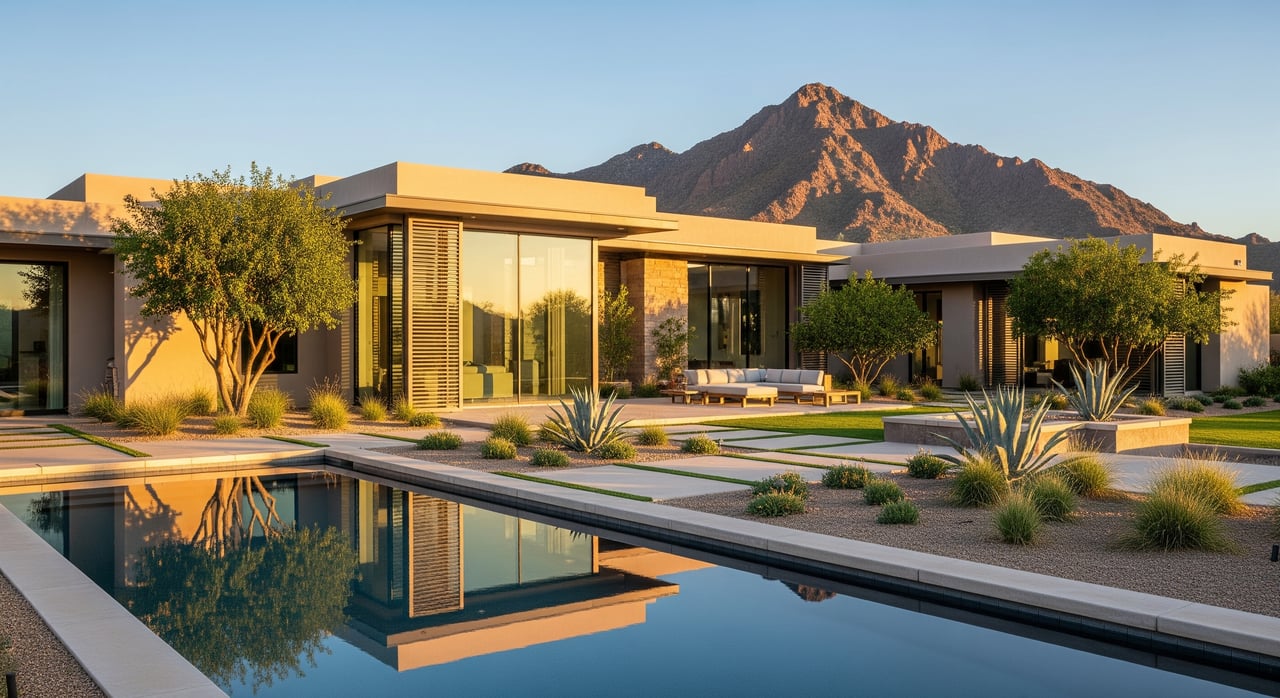
The Camelback Corridor is a locally used name for a collection of neighborhoods and commercial districts tied to Camelback Road and Camelback Mountain in central Phoenix and parts of Scottsdale. Think of it as a connected stretch of higher-value residential and retail areas, not a single official district. It links the Biltmore area west of 24th Street through Arcadia toward the 64th to 68th Street corridor, with Camelback Mountain as a defining landmark. Treat the term as a cultural and real estate descriptor rather than a legal boundary.

Commonly included areas

  • Biltmore area: the Arizona Biltmore and Biltmore Fashion Park, surrounded by luxury condos and single-family enclaves.
  • Camelback East Village neighborhoods: parts of central Phoenix along Camelback Road.
  • Arcadia and Arcadia Lite: large-lot streets with citrus-era homes and active rebuild activity.
  • Upscale stretches between Central Avenue and roughly 64th to 68th Street that share the same feel and amenities.

Why Arcadia is a useful lens

Arcadia sits at the eastern end of the corridor and captures its core traits. You see larger lots, mid-century and citrus-ranch homes, and steady remodels and new builds. It blends suburban yard space with quick access to dining, retail, and job centers. Arcadia also straddles Phoenix and Scottsdale influences, which mirrors the corridor’s cross-jurisdiction character.

Boundaries to know

There are no official municipal lines for the Camelback Corridor. Locals often describe a west-to-east span from Central Avenue through the Biltmore hubs into Arcadia, approaching 64th to 68th Street. North-south references usually center on Camelback Mountain and Camelback Road. If you are buying or selling, verify exact neighborhood lines, school districts, and any HOA details using current maps and your agent’s MLS resources.

Homes and lot styles

The corridor offers a wide mix of housing styles and scales. You can find:

  • Historic and citrus-era ranch homes on deep lots, especially in Arcadia’s older sections.
  • Mid-century modern homes, some preserved and others sensitively updated.
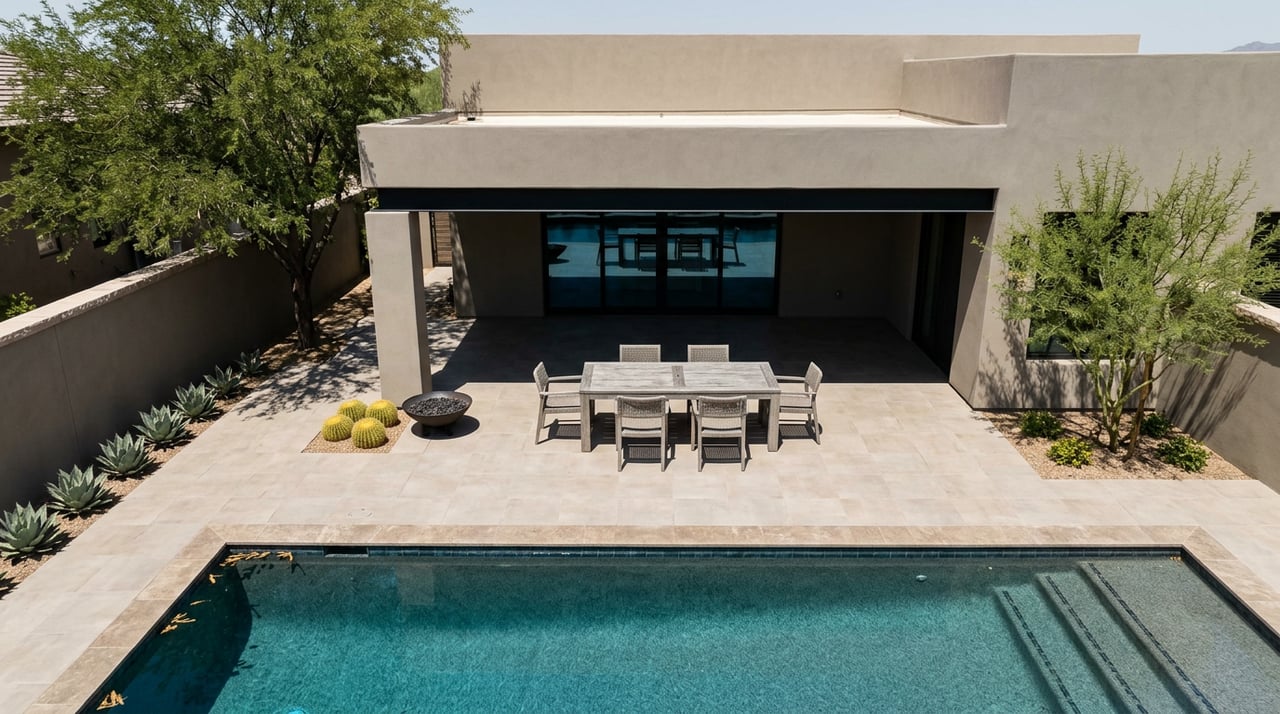
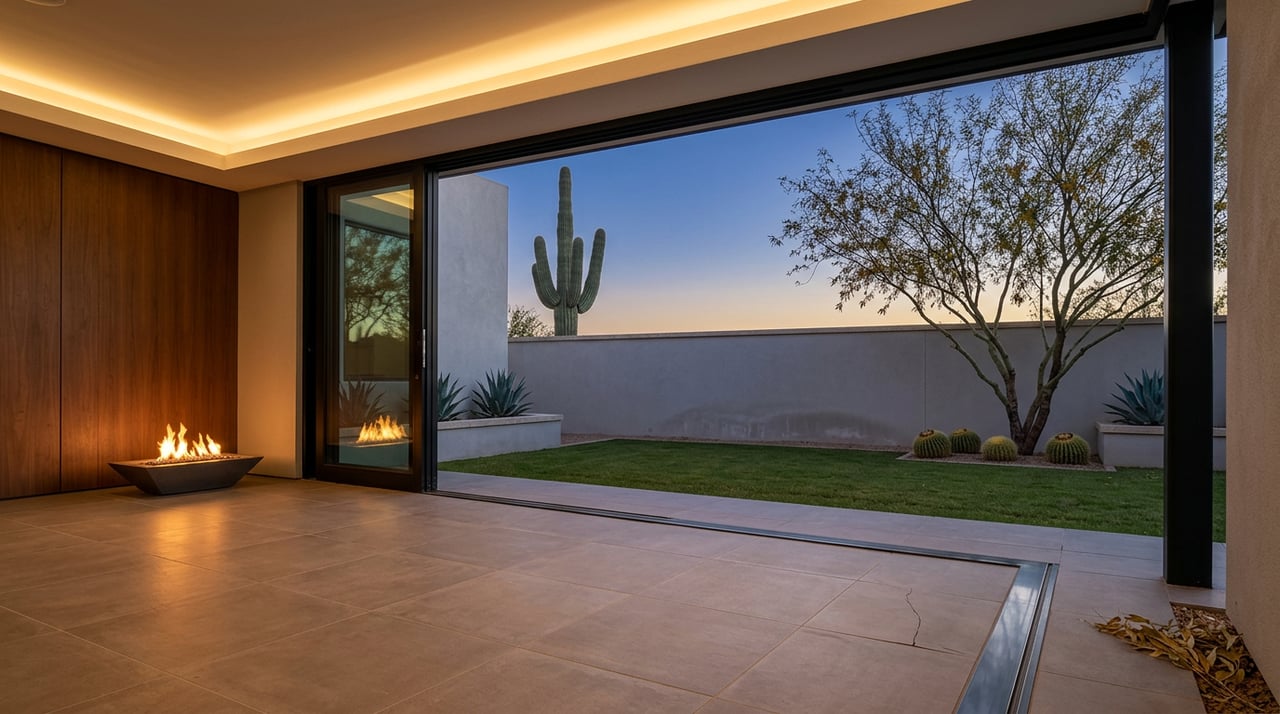
  • Contemporary rebuilds and luxury infill with high ceilings, pools, and chef’s kitchens.
  • Estate-level properties near the Biltmore and Paradise Valley edges.
  • Condos, townhomes, and apartments clustered near shopping and office nodes.

Compared with much of Phoenix, Arcadia and nearby streets feature larger lots and lower lot coverage. Deep yards, private pools, and mature landscaping are common draws. Renovations and tear-downs are frequent, which means a steady pipeline of modern, move-in-ready homes alongside classic properties to update.

Price bands in context

The Camelback Corridor typically commands a premium over Phoenix and Maricopa County medians. Values vary by micro-location and product type. Here’s a helpful way to think about it:

  • Entry options: condos, townhomes, and smaller older homes near commercial corridors. These can be a lower-cost path into the area relative to single-family streets.
  • Mid-range options: renovated Arcadia ranches, modernized mid-century homes, and updated townhomes with more space and amenities.
  • Luxury options: new builds on large lots, estate properties near Biltmore and Paradise Valley, and high-end condos at Biltmore nodes.

Actual numbers shift with inventory and seasonality. Because pricing changes, ask for current neighborhood-level data from recent MLS reports before you set your budget or list price.

Lifestyle and landmarks

Life here blends resort access with everyday convenience. Key anchors include Camelback Mountain, the Arizona Canal multi-use paths, and the Arizona Biltmore hotel and Biltmore Fashion Park for shopping and dining. The Central Avenue and Camelback Road area adds offices, clinics, and restaurants. Many Arcadia streets feel residential and green, with parks and neighborhood hubs nearby. Dining and boutique retail are more concentrated than in many suburbs, which makes quick dinner runs and weekend errands simple.

Commute and connectivity

You are centrally placed for downtown Phoenix, midtown medical and corporate corridors, and Scottsdale job centers. Sky Harbor International Airport is relatively close by car. Arterials like Camelback Road and Central Avenue connect to I-10, Loop 202, and other major routes. Public transit options exist in central Phoenix, but much of Arcadia and the Biltmore area is primarily car oriented. The light rail does not directly serve most of Arcadia. The Arizona Canal path offers a useful biking and jogging alternative for recreation and some commutes.

Why values run higher

Several factors support premium pricing across the corridor:

  • Location scarcity: large, flat lots near central Phoenix and Camelback Mountain are limited.
  • Lot size and privacy: bigger lots and yards create long-term appeal and flexibility.
  • Amenity concentration: upscale retail, dining, hotels, golf, and trail access raise demand.
  • Architectural mix: mid-century character plus high-quality modern rebuilds attract a wide buyer pool.
  • Family appeal: access to parks and proximity to a range of public and private schools encourages long-term ownership.
  • Market dynamics: ongoing reinvestment and limited new supply near the core sustain higher values.

Arcadia vs. Biltmore vs. Paradise Valley

These areas are linked yet distinct:

  • Arcadia: larger lots, citrus-era ranches, constant renovation and rebuilds, and a neighborhood feel.
  • Biltmore: resort-adjacent living, luxury condos and townhomes, and high-end retail and dining hubs.
  • Paradise Valley: estate-scale homes, larger parcels, and a more secluded residential environment.

Your best fit depends on lot size priorities, home style, privacy needs, and proximity to services.

Is it walkable?

Walkability varies by pocket. The Biltmore and nearby commercial nodes offer a stronger “walk-to-dinner” lifestyle. Most Arcadia single-family streets are quiet and residential, which means you are usually a short drive or bike ride from dining and errands. The canal path connects several areas for car-light routines.

How to evaluate a property

Use a simple playbook to compare homes within the corridor:

  1. Clarify your map: define your version of the corridor and short-list streets that match your lifestyle.
  2. Confirm schools: check current district maps and any relevant private school options.
  3. Look at the lot: review size, orientation, and any coverage or setback considerations.
  4. Plan for updates: budget for remodels or weigh the premium for turnkey new builds.
  5. Test your commute: drive your route during peak hours to confirm timing.
  6. Compare micro-segments: evaluate Arcadia streets, Biltmore nodes, and nearby enclaves side by side.
  7. Lean on local expertise: use on-the-ground insights to spot value and avoid pitfalls.

Work with a local authority

If you are drawn to the Camelback Corridor or Arcadia, local guidance makes all the difference. Our boutique team pairs decades of neighborhood experience with concierge service, curated marketing, and national exposure. Whether you are buying, selling, or evaluating an investment or 1031 exchange, we can help you map options, verify details, and move confidently. Connect with The Phil Tibi Group to explore the corridor on your terms.

FAQs

Where does the Camelback Corridor start and end?

  • There is no official boundary; locals usually describe a span from central Phoenix near the Biltmore east through Arcadia toward the 64th to 68th Street corridor, centered on Camelback Road and Camelback Mountain.

How does Arcadia compare to the Biltmore area?

  • Arcadia is known for larger lots and single-family homes with ongoing rebuild activity, while the Biltmore area offers more resort-adjacent condos, townhomes, and shopping and dining clusters.

What can I buy at different price points in the corridor?

  • Entry options include condos and smaller older homes; the middle band features renovated ranches and modernized mid-century homes; the high end includes new builds, estates, and luxury condos.

Is the Camelback Corridor walkable for daily errands?

  • Walkability is pocket based: Biltmore nodes are more walkable, while most Arcadia streets are residential and car oriented, with short drives or bike rides to dining and retail.

Do light rail or major transit lines serve Arcadia directly?

  • Light rail serves central Phoenix, but most of Arcadia is not directly on a light rail line; the area is primarily car oriented with the canal path supporting bike and pedestrian travel.

How do I verify school boundaries or HOA rules before buying?

  • Review current district maps, contact schools directly for attendance boundaries, and obtain HOA or deed restriction documents from the seller or your agent before finalizing a contract.

Why do homes in the corridor often sell at a premium?

  • Large lots near Camelback Mountain, a concentration of amenities, architectural variety, and limited new supply close to the city core all contribute to sustained higher values.

Work With Us

Our personal touch and transparency are how we plan to make you feel comfortable at every step of the home buying or selling process. We’re proud of our team and we try and show them off whenever we can. Contact us today so he can guide you through the buying and selling process.