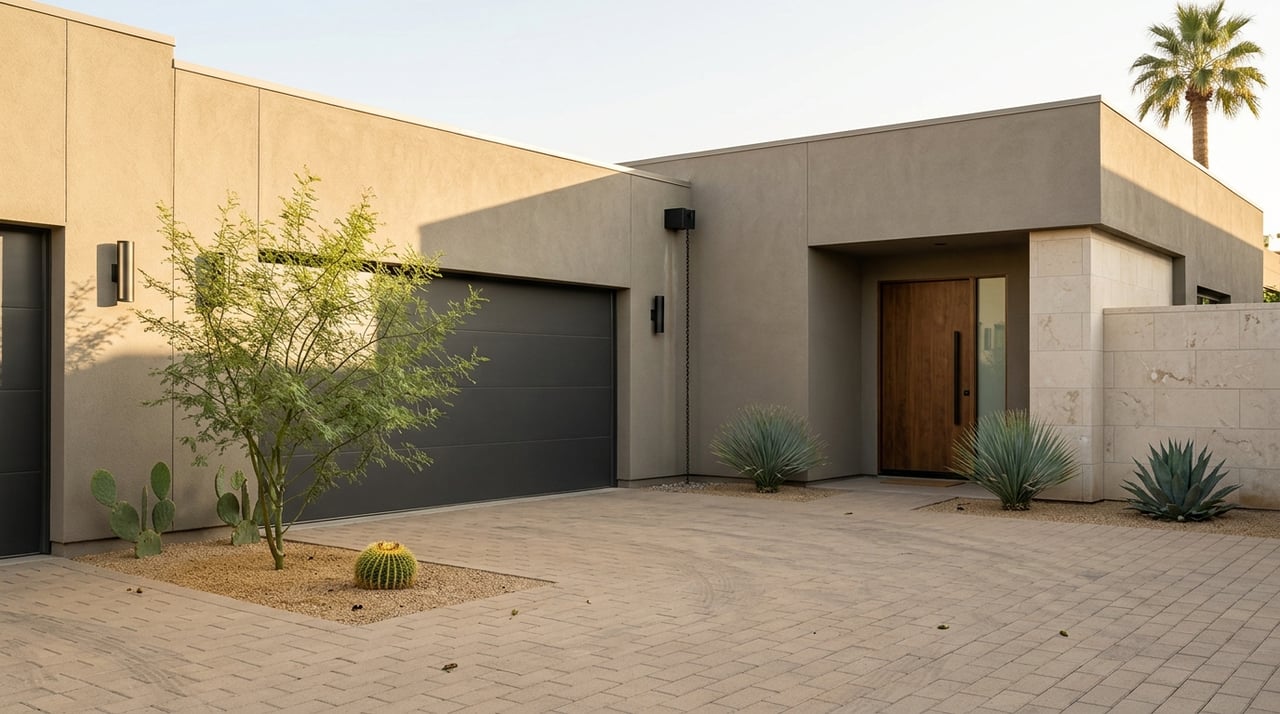
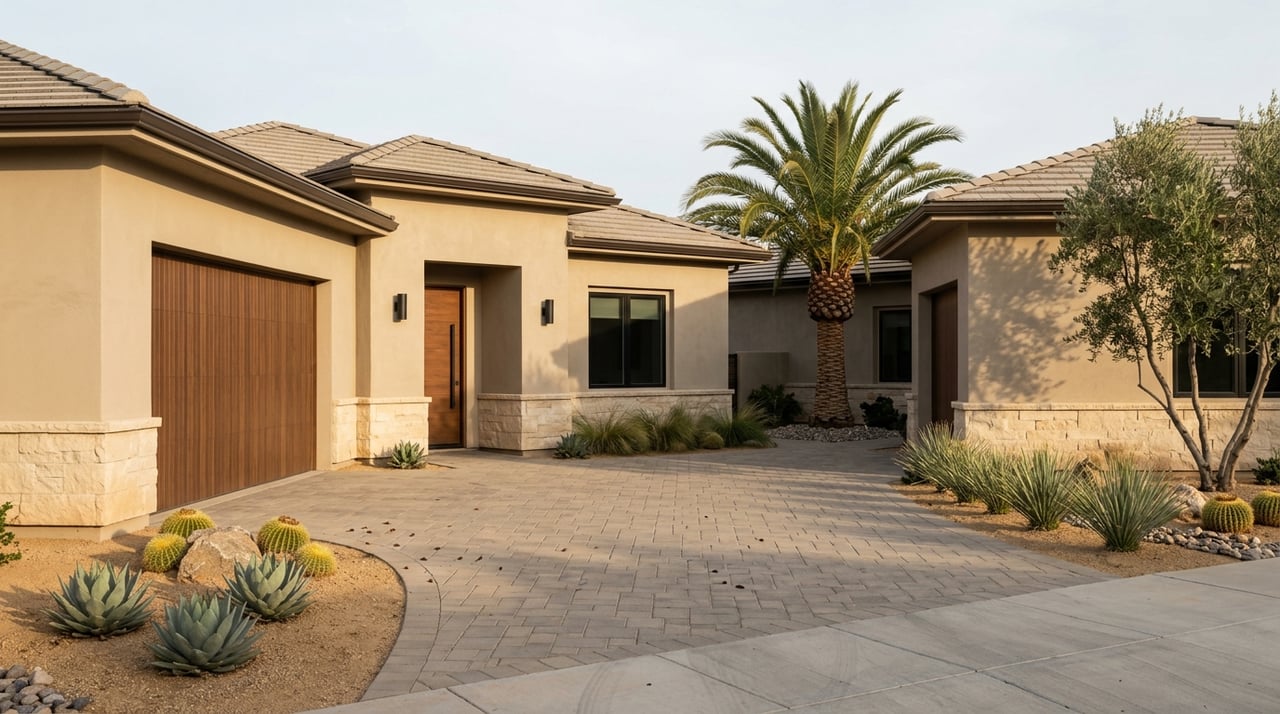
Thinking about how to position your home or offer in DC Ranch or Silverleaf? In these gated North Scottsdale communities, speed and certainty carry real weight, and cash often grabs attention first. If you are selling, you want the cleanest path to closing. If you are buying with financing, you want practical ways to compete. In this guide, you will learn what actually changes with cash versus financing, what to examine beyond price, and how to structure a financed offer that stands out. Let’s dive in.
DC Ranch and Silverleaf market reality
DC Ranch and Silverleaf sit in a high-demand pocket of North Scottsdale. Silverleaf skews ultra-luxury, while DC Ranch ranges from affluent move-up to high-end homes. At many price points, inventory is tight, especially for turnkey and well-located properties.
That supply picture means sellers value certainty and a clean timeline. Luxury segments also see a higher share of cash buyers or buyers with large down payments. Jumbo loans are common here and often take more time and documentation than conforming loans.
Cash vs. financed: what changes for you
Speed and closing timeline
- Cash can close faster, often within 7 to 21 days, since there is no lender underwriting or mortgage contingency. Title, HOA packets, and inspections still take time.
- Financed deals typically need 30 to 45 days, sometimes longer for jumbo or portfolio loans, to clear underwriting, appraisal, and lender conditions.
Certainty of close
- Cash offers carry higher perceived certainty because no loan approval is required. Risk still exists if the buyer’s funds depend on another sale or outside source.
- Financed offers hinge on underwriting and appraisal. A fully underwritten preapproval is stronger than a basic prequalification.
Appraisal risk
- With financing, a low appraisal can reduce the loan amount and force the buyer to bring extra cash or renegotiate.
- Cash buyers can waive appraisal contingencies or accept the risk of paying above appraised value without lender limits.
Contingencies and terms
- Common contingencies include financing, appraisal, inspection, and sale-of-home.
- Cash buyers often shorten or waive some contingencies, which reduces uncertainty for the seller. Inspection, title, and HOA considerations still apply.
Earnest money and remedies
- Cash buyers often post larger earnest money and agree to shorter remedy timelines, signaling commitment.
- Financed buyers may be more conservative until underwriting advances.
Types of buyer liquidity
- “Cash” varies. It can be personal funds, proceeds from another sale, 1031 exchange funds, institutional or investor funds, or bridge financing. Each source has different timelines and verification needs.
What sellers should examine beyond price
Do not focus on price alone. Compare the full package to assess certainty, timing, and net outcome.
Verify funds and loan strength
- For cash: request proof of funds such as a bank statement or an escrow-ready letter. Confirm liquidity and availability by closing.
- For financing: ask for a fully underwritten preapproval or conditional loan commitment with remaining conditions listed, plus direct lender contact information.
Compare timelines and milestones
- Closing date and flexibility if your plans change.
- Earnest money amount and when it hits escrow.
- Cure and remedy windows.
Scan contingencies and appraisal terms
- Inspection period length and scope.
- Financing and appraisal contingencies, including any appraisal gap coverage with a clear dollar cap.
- Any sale-of-home or leaseback requests.
Watch for red flags
- Only a basic prequalification letter.
- Low earnest money with long contingency periods.
- Unclear source of “cash” or funds tied to outside conditions.
- Buyer sale contingency without clear timelines.
Account for HOA and title steps
- Who orders the HOA packet, when it will be delivered, and who pays.
- Any known special assessments or HOA questionnaires that could slow approval.
- Title items such as easements, trusts, or payoff coordination that may affect timing.
How financed buyers can compete today
If you need a loan, you can still craft a compelling offer without taking on unnecessary risk.
Strengthen your underwriting
- Secure a fully underwritten preapproval where income, assets, and credit are reviewed up front.
- Have your lender provide a letter that outlines remaining conditions and a realistic timeline.
Increase perceived certainty
- Provide proof of funds for your down payment and closing costs.
- Use a jumbo lender with local luxury experience and make lender contact available to the seller.
Address appraisal risk early
- Add an appraisal gap clause with a clear cap.
- Offer a shorter appraisal contingency or pay for the appraisal quickly to show momentum.
Improve contract terms
- Raise earnest money and deposit it sooner.
- Shorten inspection and loan contingency periods after careful due diligence.
- Match the seller’s preferred closing date and offer flexibility if they need it.
- Remove non-essential contingencies, especially any sale-of-home contingency.
Use seller-friendly concessions
- Consider covering select closing costs or limited HOA transfer fees.
- Offer a seller rent-back on terms that support their move.
- Use an escalation clause with a defined cap to beat a competing cash price.
Work with the right team
- Choose a lender and appraiser familiar with DC Ranch and Silverleaf comparables to reduce surprises.
- Keep communication tight among your agent, lender, and the listing side.
Smart offer examples
- Competitive financed offer: Fully underwritten preapproval from a respected jumbo lender, strong earnest money, short inspection period, appraisal gap coverage with a defined cap, and a closing date tailored to the seller’s move.
- Verified cash offer: Clear proof of liquid funds, larger earnest deposit, concise inspection period, and a clean timeline that accounts for HOA documents and title.
Your decision framework
When you compare offers, weigh five factors together for a true picture of strength:
- Proof of funds or loan strength.
- Contingency timelines and removal dates.
- Appraisal risk and any gap coverage.
- Earnest money and financial commitment.
- Closing date flexibility and non-price terms.
Cash often wins on speed and certainty. That said, a financed buyer with full underwriting, strong funds, sizable earnest money, and thoughtful appraisal protection can be highly competitive in DC Ranch and Silverleaf.
Ready to evaluate offers or position your purchase with confidence? Reach out to our boutique team for a strategy that fits your goals and timeline. Connect with The Phil Tibi Group for a private consultation.
FAQs
What makes cash offers attractive in DC Ranch?
- Cash reduces lender and appraisal variables, so sellers see faster timelines and higher certainty, which is valuable in a luxury, tight-inventory setting.
How fast can a cash deal close in North Scottsdale?
- Many cash closings can complete in 7 to 21 days, subject to inspections, title work, and HOA document delivery.
What is an appraisal gap clause and why use it?
- It is buyer language that commits additional cash up to a clear cap if the appraisal comes in low, which helps reassure sellers in competitive situations.
What should a seller request from a financed buyer’s lender?
- Ask for a fully underwritten preapproval or loan commitment, lender contact details, remaining conditions, and an expected clear-to-close date.
Can a jumbo loan buyer compete with cash in Silverleaf?
- Yes. With full underwriting, strong funds, higher earnest money, shorter contingencies, and appraisal gap coverage, a jumbo buyer can be very competitive.
Do HOAs affect closing timelines in these communities?
- Yes. HOA packet turnaround, questionnaires, and any assessments can add days to both cash and financed closings, so plan for these steps early.