Paradise Valley vs Biltmore: Find Your Luxury Fit
Trying to choose between Paradise Valley and the Biltmore area? If both are on your shortlist, you are already looking in two of the Valley’s most recognized luxury settings, but they offer very different daily experiences. The right fit often comes down to how you want to live, not just what you want to spend. This guide will help you compare pricing, property types, lifestyle, and location so you can move forward with more clarity. Let’s dive in.
At a high level, Paradise Valley is a separate town built around larger residential lots, privacy, and a more estate-style setting. The Biltmore area, by contrast, is part of Phoenix’s Camelback East Village and is best understood as the luxury corridor around the Arizona Biltmore, especially in ZIP codes 85016 and 85018.
That distinction matters. Paradise Valley covers about 15.4 square miles and had an estimated 12,774 residents in 2025. The Biltmore area is not a standalone municipality, so what you experience there comes from a broader mix of residential, resort, office, and commercial uses within central Phoenix.
If price is one of your biggest decision points, the gap between these two addresses is clear. As of April 30, 2026, Zillow showed Paradise Valley with a typical home value of about $3.50 million, while the 85253 ZIP code was about $3.28 million.
For the Biltmore proxy ZIP codes, the typical home values were much lower overall, at about $526,949 in 85016 and $993,309 in 85018. That does not mean the Biltmore area lacks luxury product. It means the Biltmore corridor includes a much wider price range, from more modest central Phoenix housing to high-end resort-adjacent homes and condos.
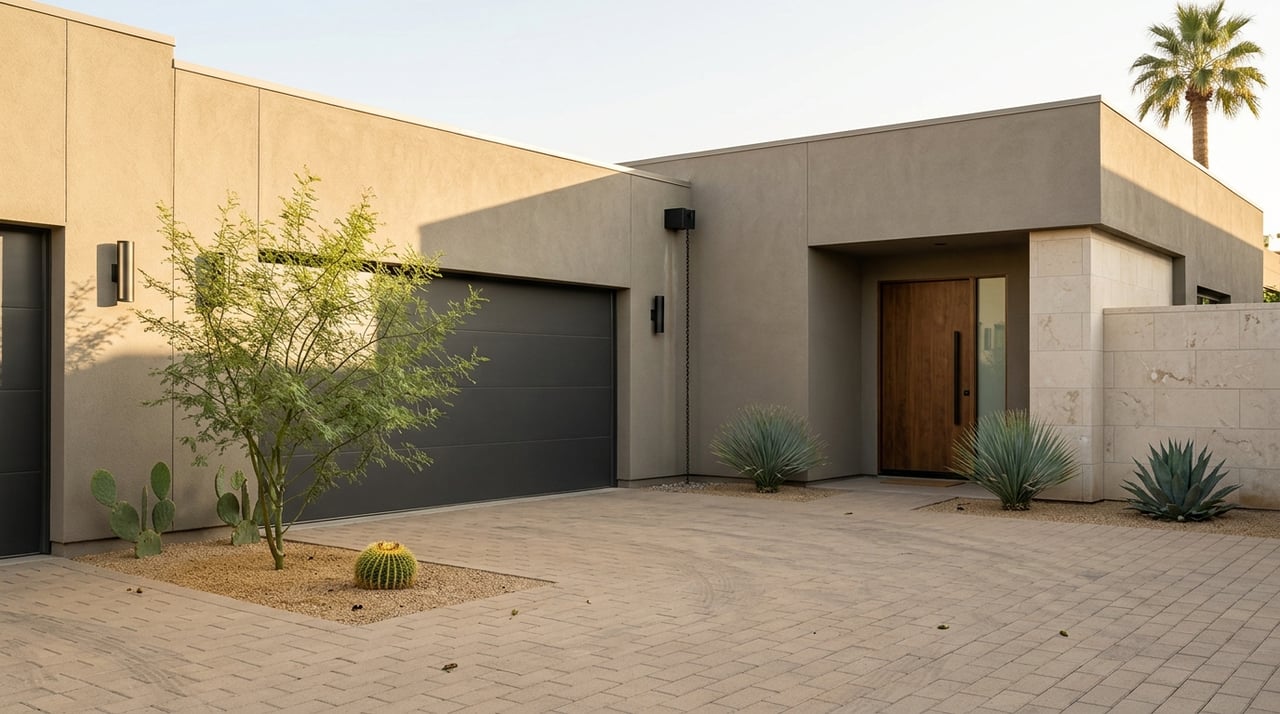
In simple terms, Paradise Valley is usually the stronger fit if you are shopping specifically for the upper end of the estate market. You are more likely to be comparing larger homes on larger lots in a highly controlled residential environment.
The Biltmore area gives you more variety. Depending on the property type and exact pocket, you may find luxury condos, lock-and-leave options, single-family homes, and resort-adjacent residences across a broader set of price points.
The two areas are not wildly different in market tempo, but they are not identical either. Zillow reported homes pending in about 48 days in Paradise Valley, 53 days in 85253, 38 days in 85016, and 42 days in 85018.
That said, speed alone does not tell the full story. In both areas, pricing, condition, lot size, and property type often matter more than average days to pending. A luxury condo near the Biltmore and a one-acre Paradise Valley estate are simply different products, so they should be evaluated on their own terms.
One of the biggest lifestyle differences comes from the physical makeup of each area. Paradise Valley’s residents guide states that the town is primarily zoned for single-family residential use with one home per lot, and most of the town is zoned R-43, which requires a minimum lot size of one acre.
That zoning framework shapes the experience of living there. It helps explain why Paradise Valley often feels spacious, private, and estate-oriented instead of dense or highly urban.
By comparison, Phoenix describes Camelback East, which includes the Biltmore area, as having a mix of housing types and densities, ranging from very low density to 15 or more dwelling units per acre, along with resorts, commercial uses, offices, and established residential neighborhoods. In practice, that means Biltmore generally offers more housing variety and usually smaller lots than Paradise Valley.
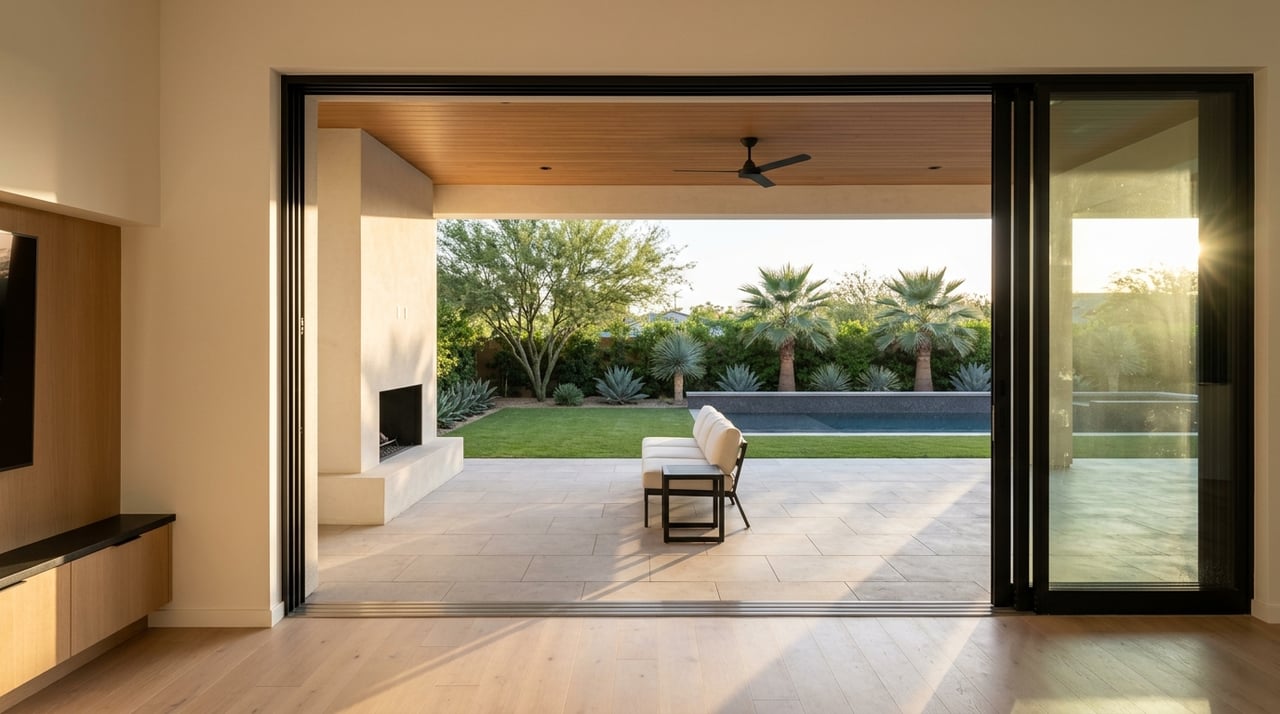
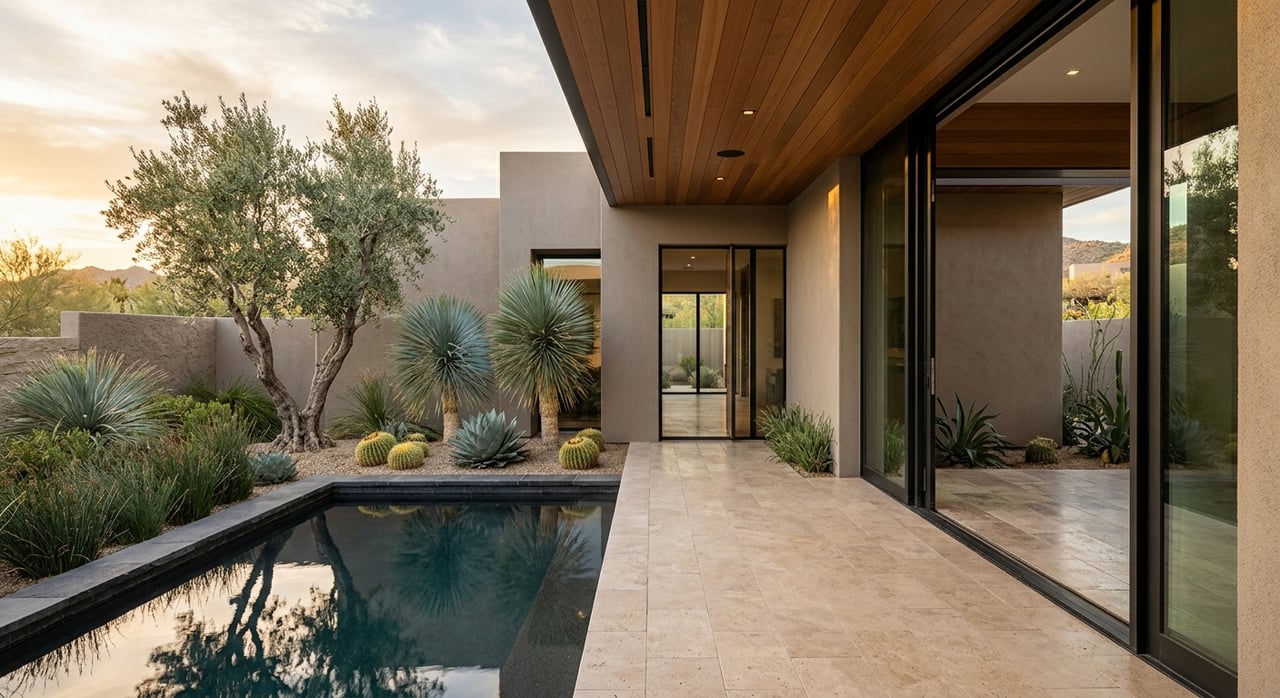
If you are drawn to larger parcels and a quieter residential setting, Paradise Valley may feel like a natural fit. The town’s lifestyle materials highlight open space, privacy, and street planning that limits through traffic on local streets.
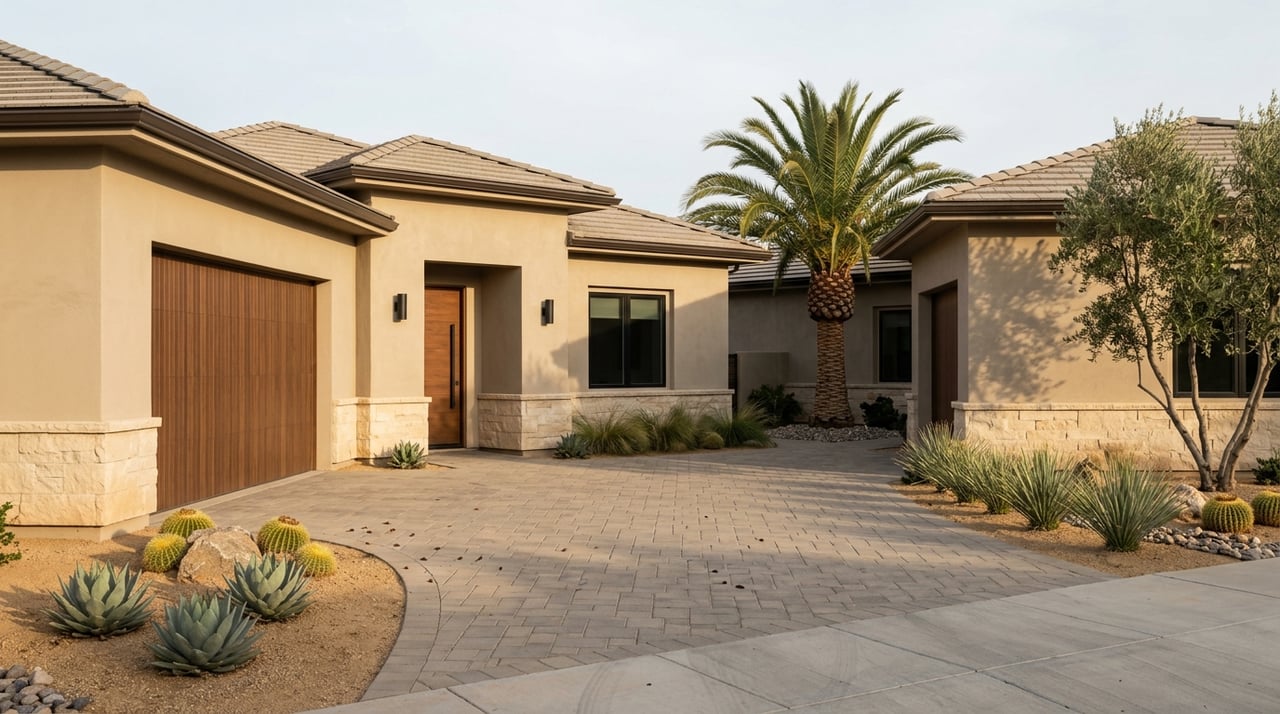
That combination creates a setting many buyers associate with a classic desert estate environment. You may give up some day-to-day urban convenience, but you gain scale, separation, and a more controlled residential feel.
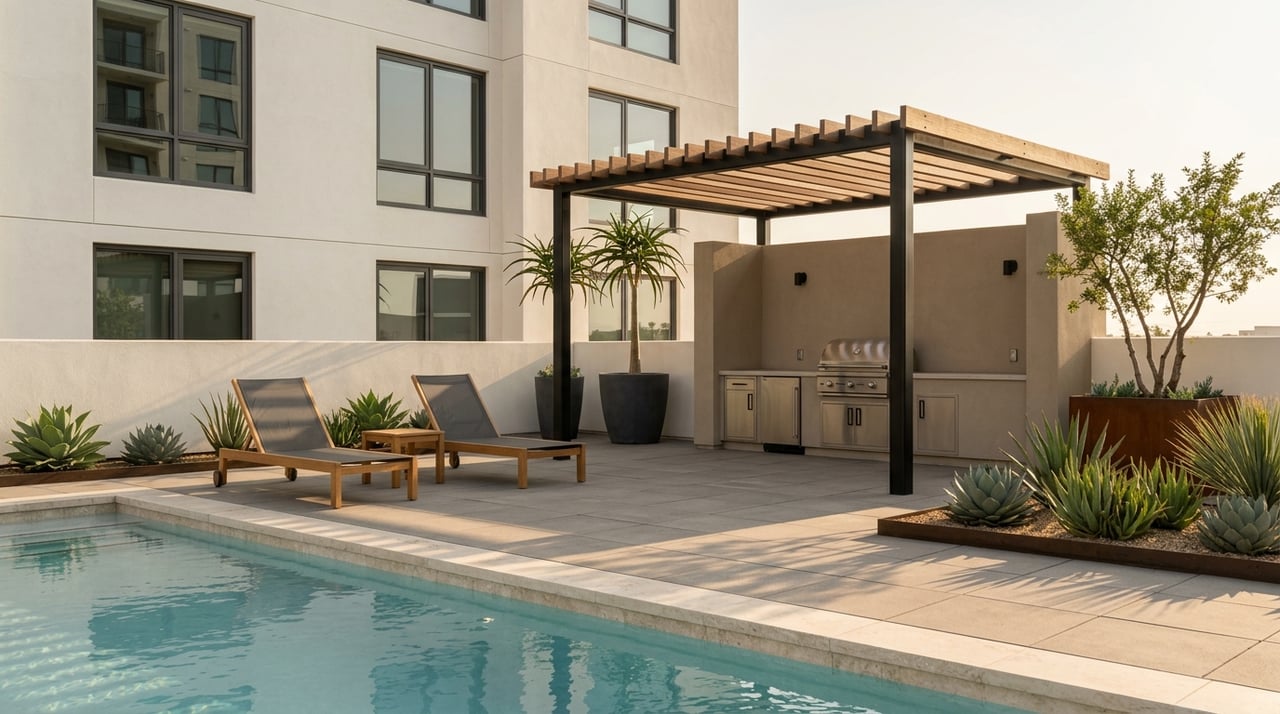
The Biltmore area offers more flexibility in how you live. You can find attached residences, luxury condos, single-family homes, and resort-adjacent properties within a more central Phoenix setting.
For many buyers, that flexibility is the appeal. If you want a lock-and-leave option, easier access to dining and office corridors, or a home base with a more urban rhythm, the Biltmore corridor often checks those boxes.
Buyers often ask whether Paradise Valley or Biltmore comes with more restrictions. The answer depends on the property, but the type of oversight tends to differ.
In Paradise Valley, town code, permits, and hillside review rules are often the first layer to understand. In the Biltmore area, buyers are more likely to encounter association dues in attached, planned, or resort-adjacent properties.
This is not a universal rule, and every property should be verified individually. Still, it is a helpful framework if you are deciding whether you prefer town-level development controls or a property that may come with an HOA structure and shared amenities.
If school access is part of your search, both areas offer choices, but the structure is different. Paradise Valley’s official schools page lists a mix of nearby public and private options, and the town states that it is home to 11 public and private schools.
Scottsdale Unified School District says it serves most, but not all, of Paradise Valley. PVSchools also notes that families may use traditional enrollment or open enrollment depending on where they live and what school they seek. For buyers, that means school options in Paradise Valley are address-sensitive.
On the Biltmore side, options are tied more closely to Phoenix-area district, charter, and open-enrollment pathways. Biltmore Preparatory Academy, for example, is located in Phoenix and offers a 50:50 Spanish dual-language model, and nearby Madison District schools include Madison Camelview, Madison No. 1, Madison Park, and Madison Traditional Academy.
The key takeaway is simple: school planning should be done property by property. Paradise Valley may offer more directly proximate private-school and Scottsdale or PV district options, while Biltmore often leans more heavily on Phoenix district and open-enrollment choices.
Because boundaries and enrollment paths can vary, it is smart to confirm the specific address rather than assume the same options apply across an entire area.
This is one category where both areas perform well. The Arizona Biltmore fact sheet says the resort is less than 20 minutes from Phoenix Sky Harbor and a short trip from Downtown Phoenix and Old Town Scottsdale.
In Paradise Valley, Omni Scottsdale Resort & Spa at Montelucia reports a location about 8.5 miles from Sky Harbor and about 12 miles from downtown Phoenix. So if airport access matters to you, either address can work well.
The real difference is not access, but how daily life feels once you are home.
Paradise Valley describes itself as a quiet desert oasis surrounded by Camelback Mountain, Phoenix Mountain Preserve, and the McDowells. Combined with local streets designed to limit through traffic, that often creates a more private, car-dependent, and residential routine.
The Biltmore area has a different rhythm. Phoenix’s village plan highlights a central-eastern corridor with commercial and office uses around 24th Street and Camelback, light rail stations, resorts, golf courses, and fine dining nodes. The Arizona Biltmore itself adds to that resort-in-the-city character.
If your priority is privacy, scale, and a highly residential environment, Paradise Valley is often the stronger fit. The zoning structure, larger lot pattern, and quieter street design all support that lifestyle.
If your priority is centrality, convenience, and housing variety, the Biltmore area often makes more sense. You may find it easier to match your budget and preferred property type while staying close to dining, resorts, and core Phoenix destinations.
Neither choice is better across the board. The better choice is the one that fits how you want your home to function every day.
If you are weighing Paradise Valley against the Biltmore corridor, local context matters. The team at The Phil Tibi Group specializes in the Biltmore, Camelback Corridor, Paradise Valley, and nearby luxury markets, and can help you compare specific properties, price points, and lifestyle tradeoffs with clarity.
Our personal touch and transparency are how we plan to make you feel comfortable at every step of the home buying or selling process. We’re proud of our team and we try and show them off whenever we can. Contact us today so he can guide you through the buying and selling process.