Arcadia Phoenix Lifestyle Guide to Food, Views, and Daily Life
If you want a Phoenix neighborhood that feels established, scenic, and easy to enjoy day to day, Arcadia stands out fast. You are not just choosing a home here. You are choosing citrus-lined streets, patio dinners, canal-path outings, and the steady presence of Camelback Mountain in the background. This guide will show you what Arcadia living really feels like, from its farm-rooted history to its food scene and outdoor lifestyle. Let’s dive in.
Arcadia is widely known as an east Phoenix neighborhood with a strong identity tied to Camelback Mountain, the Arizona Canal corridor, and the Salt River side of the area. Depending on the map or planning document, boundaries can look a little different, but the lifestyle themes stay consistent. You see mature landscaping, broad lots, and a residential feel that is lower density than many nearby parts of Phoenix.
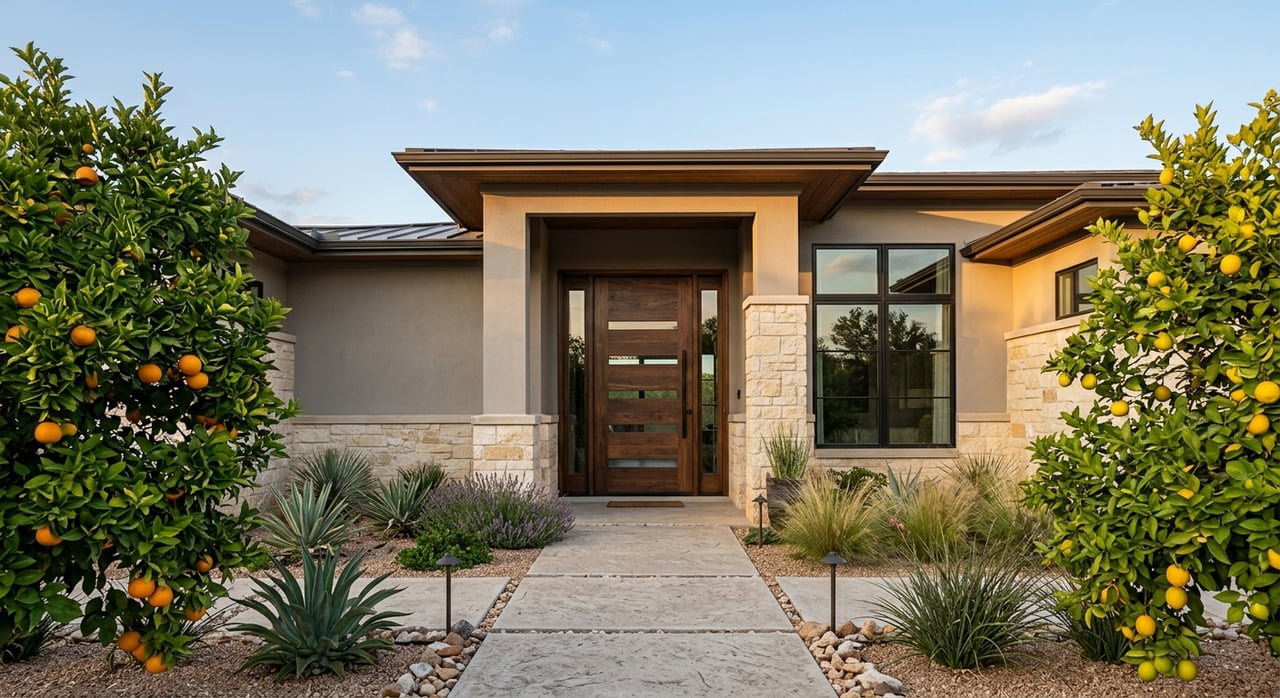
That sense of place comes from the neighborhood’s long agricultural roots. City historic materials trace the area to Citrus Homes in 1915 and the original Arcadia plat in 1919. Citrus farming remained central until the mid-1950s, and that legacy still shows up in the orange, lemon, and grapefruit trees that continue to shape the streetscape.
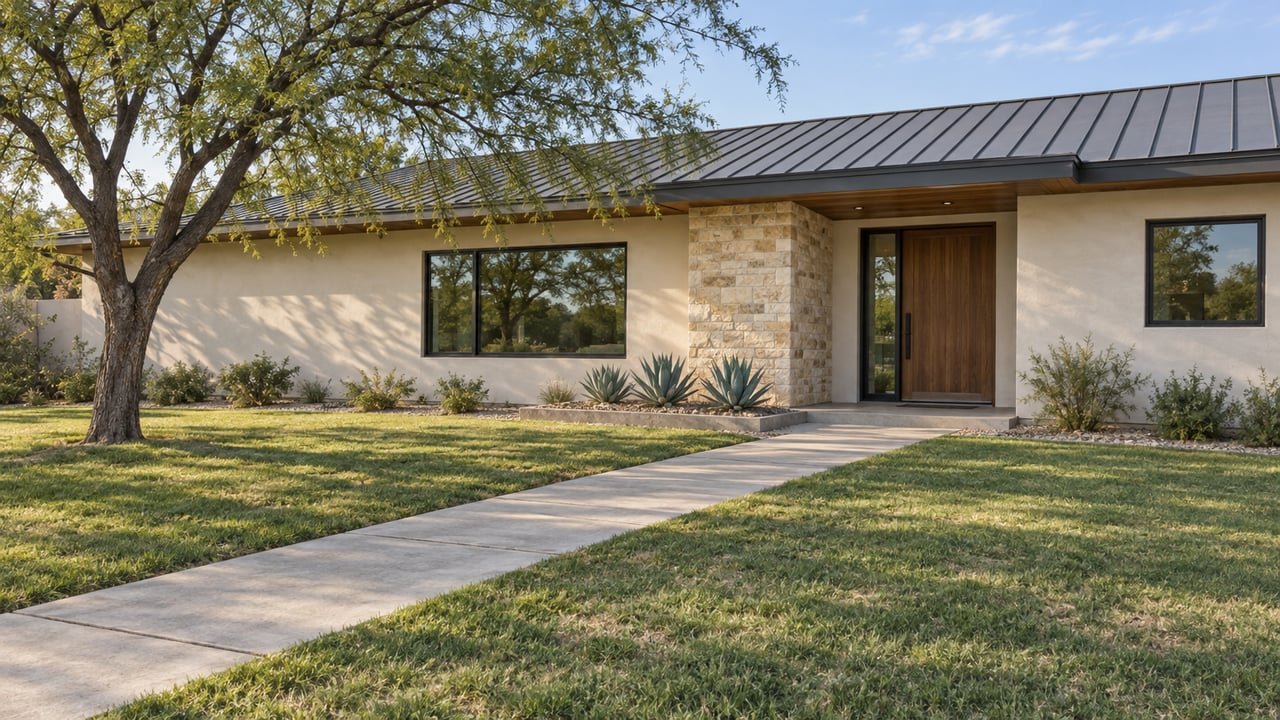
Arcadia is not a working farm district today, but its agricultural past still influences how the neighborhood looks and feels. Mature trees, irrigated lawns, and generous lot patterns help create a softer, greener setting than many buyers expect in the desert. That visual character is a big part of why Arcadia feels timeless.
For buyers, this matters because the neighborhood does not read like a new master-planned community. It feels layered and lived in. You get a setting shaped by decades of growth rather than a place built all at once.
Arcadia should not be viewed as a frozen historic district. The area saw major residential development in the 1950s, with additional subdivisions arriving later, including in the 1990s. Today, that means you may find renovated ranch homes, older estate-style lots, and newer replacement homes within the same broader neighborhood.
That mix is part of Arcadia’s appeal. The neighborhood has preserved much of its original scale and character while continuing to evolve over time. If you are looking for a place that feels established but still active, Arcadia offers that balance.
Camelback Mountain is the landmark that gives Arcadia much of its visual identity. In many parts of the neighborhood, the mountain is part of your daily backdrop, whether you are out for a walk, meeting friends for coffee, or heading to dinner. Those views add a strong sense of place that is hard to replicate.
If you are thinking about hiking Camelback, it helps to know that the mountain is better suited to experienced hikers than casual walkers. The City of Phoenix describes Camelback Mountain as one of the nation’s top hiking destinations, but its main summit routes are extremely difficult. Echo Canyon is about 1.2 miles one way with roughly 1,280 feet of climb, and the summit reaches 2,704 feet.
The good news is that Arcadia living is not only about steep trail climbs. The neighborhood also connects to outdoor spaces that are much easier to enjoy on a regular basis. That makes the area appealing if you want flexible options for exercise, fresh air, and casual time outside.
The Arcadia stretch of the Arizona Canal Trail is one of the best examples. It is a local route for biking, jogging, and walks, and it connects naturally to dining and neighborhood activity. Instead of feeling like a separate recreation destination, it functions more like part of everyday life.
Papago Park, just on the edge of Arcadia, adds another layer to that lifestyle. It offers easier trails, ramadas, and access to the Phoenix Zoo and Desert Botanical Garden. For many residents, that means you can enjoy outdoor time without making every outing a major production.
Arcadia’s park network helps round out the neighborhood’s day-to-day appeal. These are practical, usable community spaces rather than dramatic showpieces, which is often exactly what buyers want nearby. They make it easier to fit recreation into your week.
Arcadia Park includes a playground, picnic area, shade structures, restrooms, and a volleyball court. G.R. Herberger Park adds picnic facilities along with pickleball, tennis, and volleyball. If your ideal neighborhood includes simple ways to get outside close to home, these amenities strengthen Arcadia’s appeal.
One of Arcadia’s biggest lifestyle advantages is how easy it is to settle into a dining routine. The restaurant scene is compact, patio-oriented, and neighborhood-driven. Instead of feeling built for occasional special trips only, many of Arcadia’s dining spots are close enough for regular use.
Local favorites highlighted by Visit Phoenix include O.H.S.O. along the Arizona Canal, Postino in a 1940s brick post office building, Buck & Rider on Camelback Road, The Henry on Camelback Road, Nook Kitchen, Trevor’s, and Essence Bakery. Together, they reflect a range of options from casual brunch and bakery stops to more polished dinner settings.
Food is part of how a neighborhood becomes livable, not just desirable. In Arcadia, the appeal is less about one single headline restaurant and more about having several dependable places woven into everyday routines. That makes the area feel social and convenient without feeling overbuilt.
The broader Phoenix dining scene also helps explain Arcadia’s reputation for fresh, seasonal, patio-friendly living. Visit Phoenix points to The Farm at South Mountain as an important part of the metro’s farm-to-table history, with Quiessence at the Farm continuing that emphasis on locally sourced dining. Arcadia may be known more for its restaurant clusters than literal farms today, but the fresh, relaxed food culture fits naturally with its citrus-era identity.
Arcadia’s housing stock reflects the neighborhood’s long development timeline. The city’s planning materials note that zoning originally limited development to one house per five acres, which helps explain the area’s reputation for generous lots and a spacious feel. Later development added postwar homes and newer subdivisions, creating a mix of housing styles and eras.
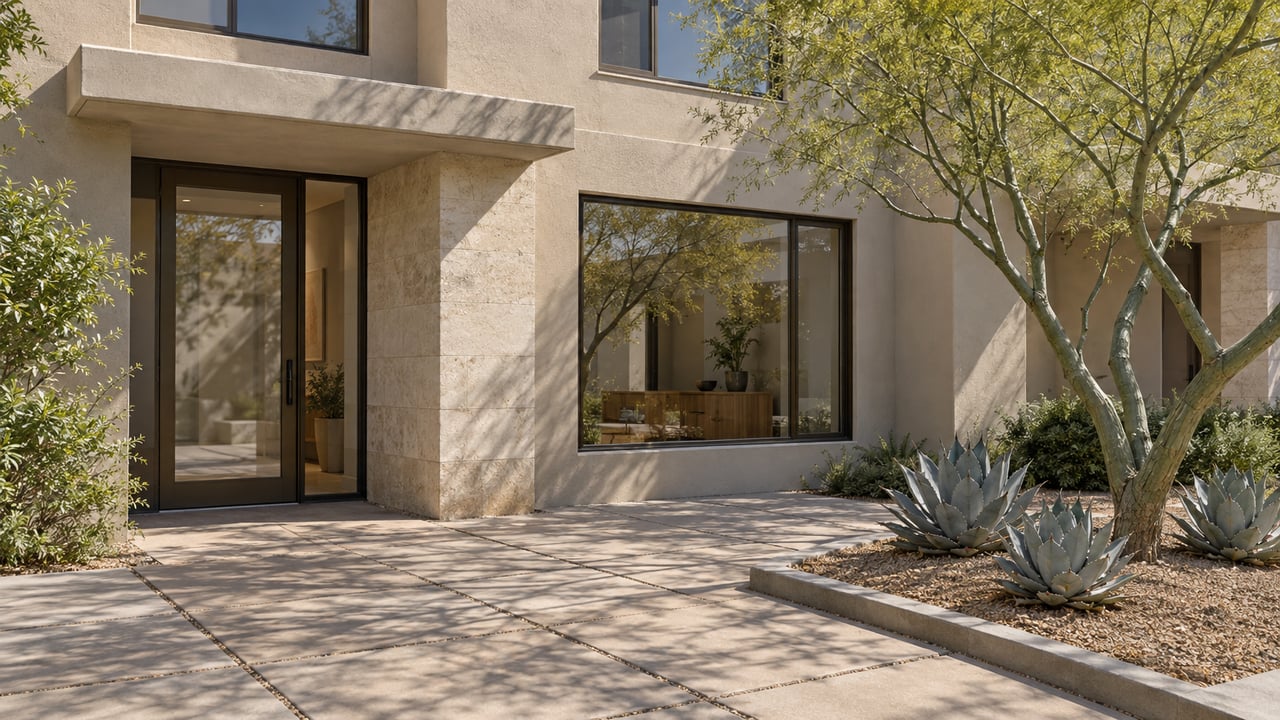
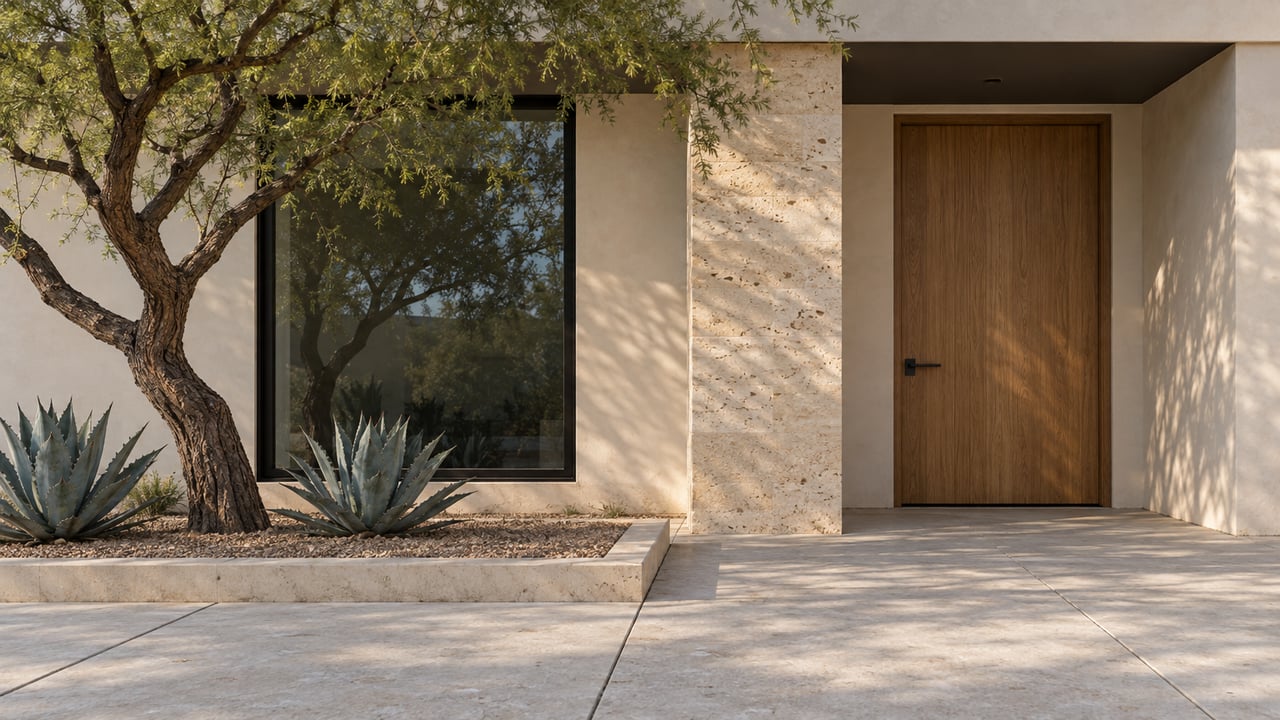
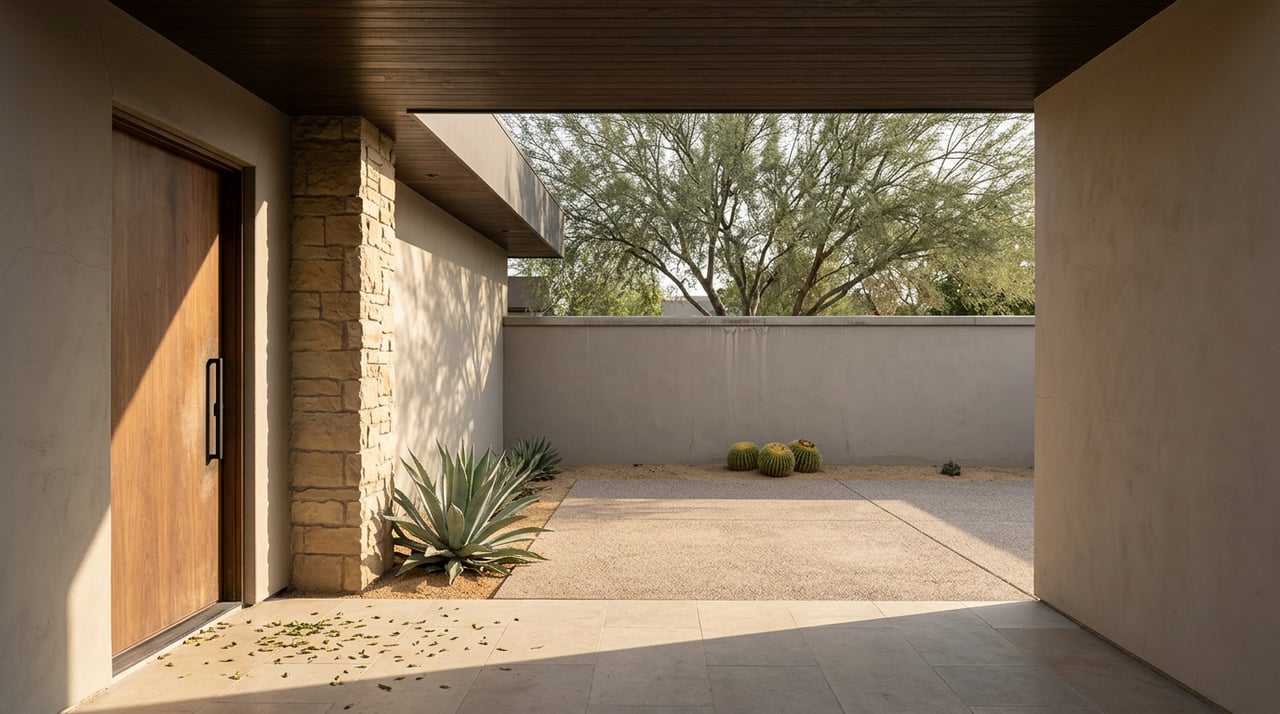
For you as a buyer, this often means Arcadia is less about one uniform product type and more about choosing the version of the neighborhood that fits your lifestyle. Some homes lean into ranch-era charm and renovation potential. Others offer newer construction and more updated layouts while still sitting within a mature, well-established setting.
This is one of the most important things to understand about Arcadia. The neighborhood has preserved its original scale and character, but it has also absorbed renovation and replacement over time. That combination helps Arcadia avoid feeling static.
For sellers, that continued demand for both updated and newly built homes can be especially important. For buyers, it means inventory can vary widely in style, finish level, and lot experience even within the same general area. Hyper-local guidance matters in a neighborhood with this much nuance.
Arcadia attracts attention because it offers a lifestyle that feels both polished and grounded. You get mountain views, mature landscaping, neighborhood parks, and a dining scene that works for real life. At the same time, the area continues to evolve, which helps keep it relevant for today’s buyers.
In practical terms, Arcadia appeals to people who want a residential setting with visual character and easy access to outdoor activity and dining. It feels established without feeling stuck in the past. That is a rare mix in a market where many neighborhoods lean heavily either toward newness or nostalgia.
Because Arcadia includes older homes, renovated properties, estate lots, and newer construction, the neighborhood rewards close local knowledge. Two homes can share the same general area while offering very different living experiences, lot patterns, and upgrade levels. That is why neighborhood-specific insight is often more useful than broad market averages.
If you are buying, selling, or considering a move in Arcadia, working with a team that understands the Camelback Corridor and adjacent neighborhoods can help you evaluate the details that shape value and lifestyle. The right guidance can make your search more focused and your decisions more confident.
Arcadia continues to stand out because it brings together history, scenery, and everyday convenience in a way that feels natural rather than manufactured. If you are exploring whether this neighborhood fits your goals, The Phil Tibi Group offers boutique, neighborhood-first guidance across Arcadia and the surrounding luxury markets.
Our personal touch and transparency are how we plan to make you feel comfortable at every step of the home buying or selling process. We’re proud of our team and we try and show them off whenever we can. Contact us today so he can guide you through the buying and selling process.