Buying in Arcadia: Original Ranch vs New Build
You love Arcadia’s tree-lined streets and Camelback views, but the big question still lingers: should you buy a preserved ranch or a newer luxury rebuild? It is a real fork in the road, and each path delivers a different lifestyle, budget, and timeline. In this guide, you will learn how Arcadia’s lots, codes, costs, and financing shape the decision so you can choose with confidence. Let’s dive in.
Arcadia sits along the south foot of Camelback Mountain between roughly 44th Street and 68th Street, from Camelback Road north to the Arizona Canal. The area spans parts of Phoenix and Scottsdale, so your permit path and codes can change by block. Arcadia’s early citrus history created larger irrigated lots with mature trees, which still define the neighborhood’s feel today. You will hear two local terms: Arcadia Proper, closer to Camelback with more estate-size lots, and Arcadia Lite, west of about 44th Street with smaller infill lots and townhome options. Arcadia’s history and boundaries help explain why the lot often matters more than the house.
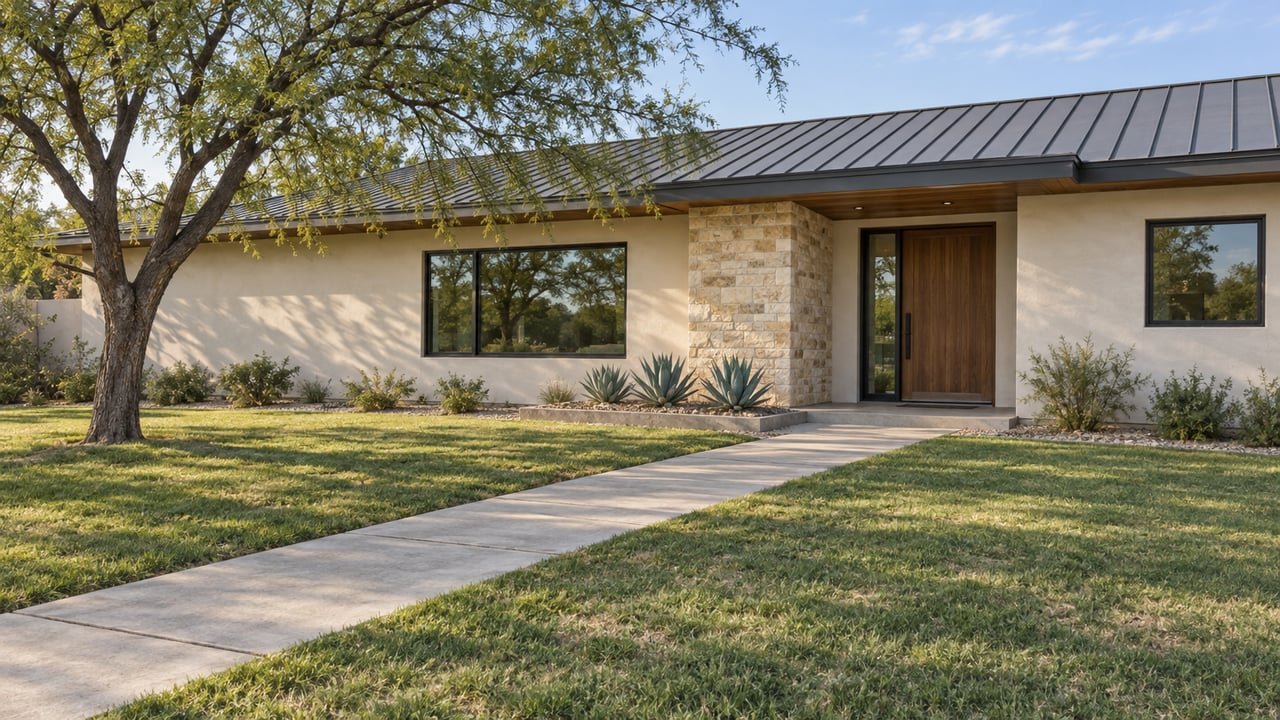
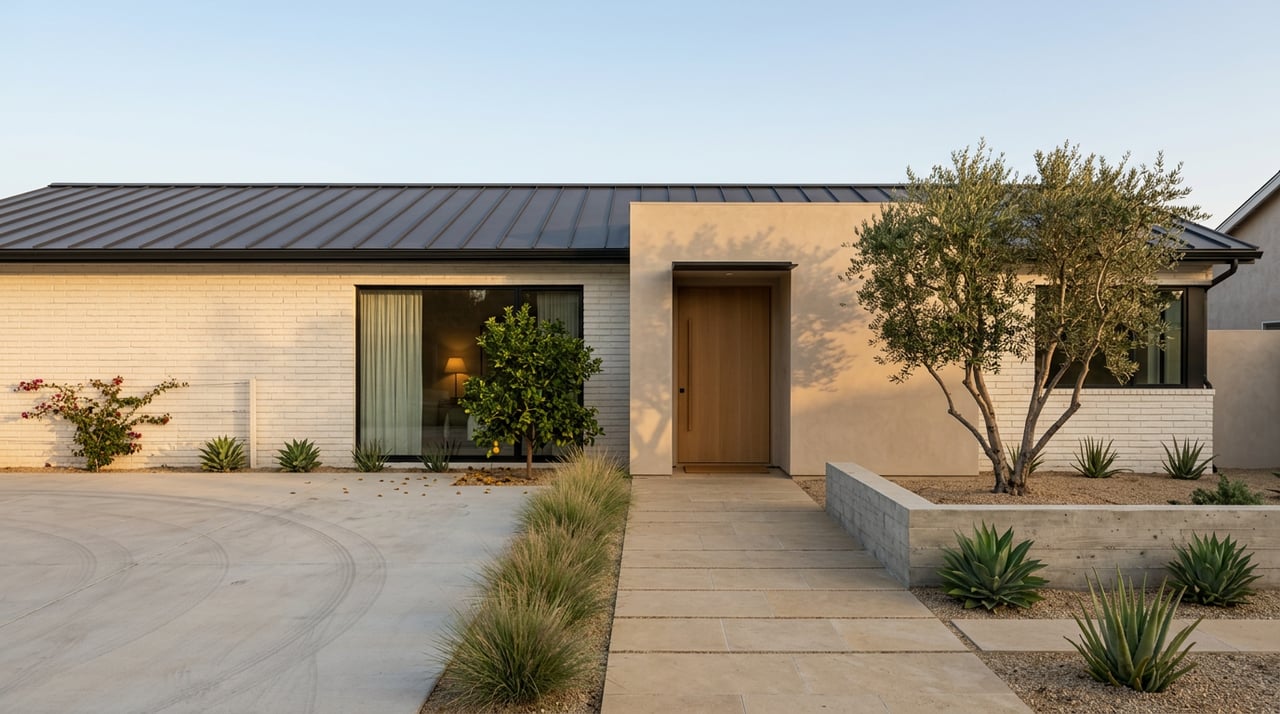
Most original Arcadia ranch homes are mid-century or post‑war, typically single level with modest floorplates and original lower ceilings around 8 feet. Many have classic block construction, pools, and irrigated quarter- to half-acre lots with mature shade and citrus. Updated examples often open the floor plan, add larger sliders, and modernize kitchens and baths while keeping the single-level lifestyle. During inspection, budget for potential system updates like HVAC, electrical capacity, pool equipment, and irrigation repairs.
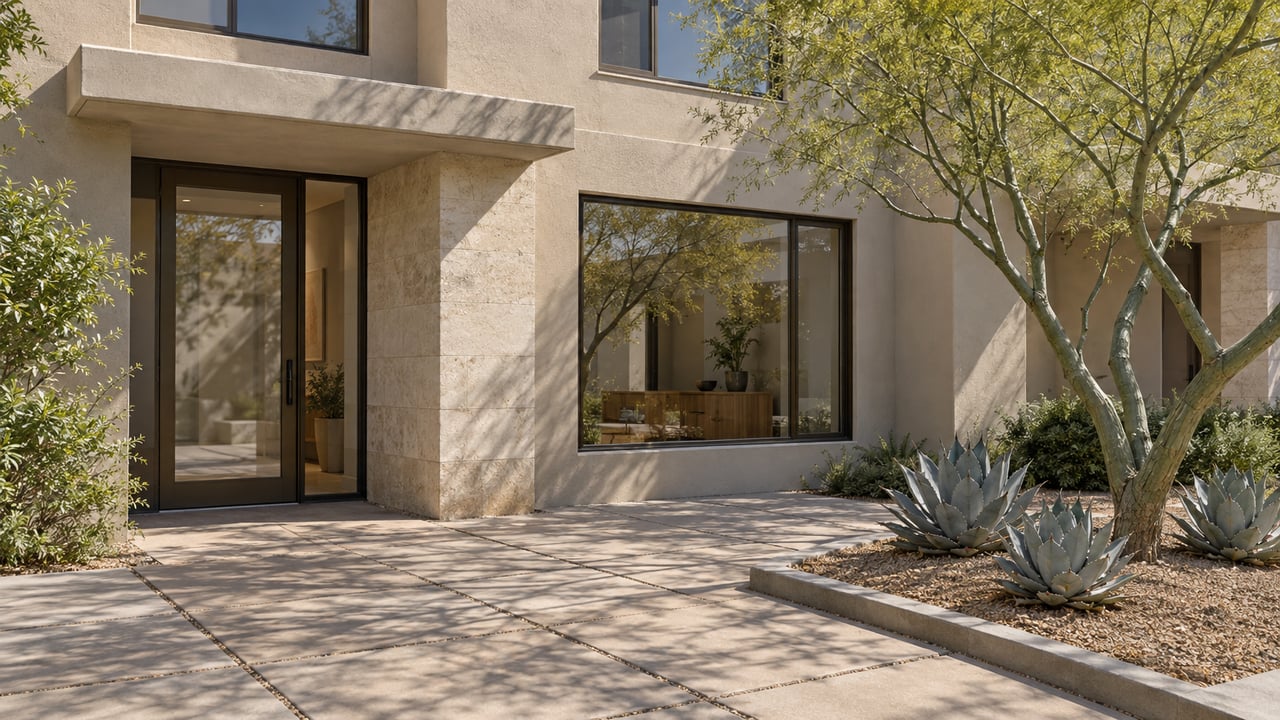
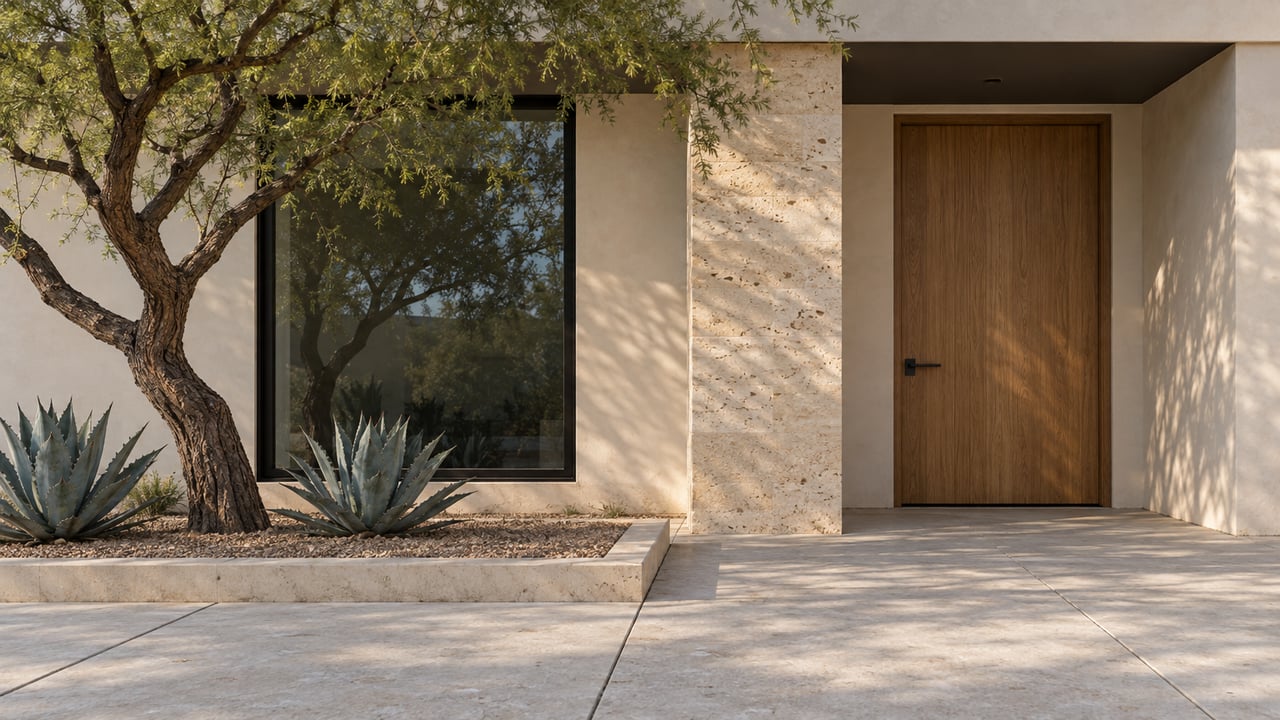
New builds in Arcadia are often custom or high-end developer homes with open great rooms, taller ceilings, engineered structures, and modern mechanical systems designed for performance and views. These projects can be stunning, but they take time. A teardown and custom build commonly spans 12 to 30 months from purchase to final occupancy, depending on design complexity and permitting. Plan for draw schedules, possible interim housing, and a contingency for unknowns.
Recent neighborhood medians in Arcadia fall in the low-to-mid seven figures. Exact numbers vary by how you draw the boundary and whether you are looking at Arcadia Proper or Arcadia Lite. When you compare options, use comps from the same pocket to keep lot size, mountain exposure, and walkability consistent.
Renovated ranch homes and older updated properties in Arcadia often trade in a broad mid-range, with many landing around the $300 to $600 per square foot band depending on lot, systems, and finish level. New custom construction shows a wider spread. Builder guidance for luxury work in the Scottsdale and Arcadia area often cites roughly $500 to $700 per square foot for high-end custom construction, excluding land, with the most bespoke estates exceeding that on premium lots. Those ranges help you set expectations before you fall in love with a particular plan or finish package. For a builder’s perspective, review local insights on custom build costs and contingencies.
Whole-house, high-end remodels can reach well into six figures, and costs climb with scope, systems, and site conditions. Many owners use a remodel calculator to pressure-test early budgets and align scope with finished value. A common rule of thumb is to re-check the math if your renovation cost approaches about 40 to 50 percent of the finished value, since a rebuild may pencil better at that point. For early budgeting tools and context, you can explore a home remodel cost calculator.
Custom construction typically carries higher hard costs, longer timelines, and additional soft costs. Local builders recommend planning about $500 to $700 per square foot for high-end custom construction, excluding land, plus a 10 to 20 percent contingency for unknowns, finish upgrades, or city conditions. Expect 12 to 30 months for design, permitting, and construction depending on complexity. These projects reward long-term planning and careful lot selection, especially for mountain views and privacy.
Whether you remodel or rebuild, plan for architecture, engineering and soils reports, civil work, and utility upgrades. On older irrigated lots with mature trees, you may need root protection, irrigation line repairs, or landscape replacement. Pools often require equipment updates or safety upgrades when plans change. If you request a variance for lot coverage, setbacks, or an ADU, the neighborhood association process can add time and conditions. Review recent variance activity and expectations to set a realistic schedule and budget.
Parts of Arcadia in Phoenix fall under the Arcadia Camelback Special Planning District, and the local neighborhood association actively reviews many variance requests. Projects that increase lot coverage or change massing usually trigger public notice and hearing steps. Understand the process, talk with your design team early, and review recent cases on the association site to anticipate conditions.
Phoenix has adopted amendments to the 2024 International Energy Conservation Code, which affect envelope, HVAC sizing, fenestration, and insulation design. New construction and major remodels will need to meet these requirements, so coordinate with your architect and mechanical engineer from day one. You can review the City’s 2024 IECC amendments for details and share them with your design team.
Large permitted improvements and new construction typically trigger reassessment by the Maricopa County Assessor. Changes to the home can affect Limited Property Value calculations and future tax bills. Before you finalize budgets, confirm how permitted work could be assessed and ask about appeal procedures. Visit the Assessor’s office for guidance on assessed value, LPV, and rules.
If you plan to keep the structure and renovate, products like Fannie Mae’s HomeStyle Renovation mortgage can finance the purchase and improvements in a single loan. HomeStyle does not support a complete teardown and reconstruction, but it can be a strong fit for substantial updates within the existing footprint. Review program details, timelines, and draw requirements on HomeStyle Renovation. FHA 203(k) is another option for rehabilitation with HUD oversight, often used for defined scopes rather than full rebuilds.
If you are pursuing a teardown and new build, you will likely use a construction loan with interest-only draws, then either refinance to a permanent mortgage or use a one-close construction-to-permanent product. These loans often require larger down payments, builder approvals, reserves, and inspection-driven draw schedules. Start lender conversations early because structure and rate terms affect carry costs and housing plans during the build. Learn more about construction-to-permanent loan basics.
Work through this quick framework before you choose a path:
Confirm city jurisdiction. Is the parcel in Phoenix or Scottsdale. Codes, fees, and timelines differ. Phoenix resources are available on the city’s building code page.
Verify lot size and orientation. Larger irrigated lots are a major asset in Arcadia and often drive long-term value. Smaller or irregular lots can shift the math toward infill or compact new builds.
Compare renovation vs rebuild math. Get written estimates from a contractor and compare to resale comps in the same pocket. If renovation costs approach about 40 to 50 percent of finished value, reassess whether a new build better fits your goals.
Inspect irrigation and trees. Mature canopy is a signature Arcadia benefit but can affect foundation design, irrigation repairs, and landscape costs.
Map your permit path. If you need a variance for coverage, height, or an ADU, factor in neighborhood review and hearing timelines. Public comment can add time and conditions.
Choose financing early. Renovation loans can bundle purchase and upgrades without a teardown. Construction or construction-to-perm loans are typical for ground-up builds, with different reserve and draw rules.
Plan your exit or resale position. Renovated single-level ranches on mature lots draw strong demand for immediate move-in and classic Arcadia living. New builds command a premium for modern planning, performance, and ceiling height. Align the choice with how you will live now and who will likely buy later.
Choose a renovated or renovatable ranch if your top priorities are lot size, single-level living, and quick move-in. You keep the mature canopy, enjoy an established streetscape, and often reduce near-term carrying and construction risk. Just be sure to test systems during inspection and budget for staggered replacements over time. This path is also attractive if you value outdoor space and plan to invest steadily rather than all at once.
Choose a teardown and custom build if you want modern floorplans, taller volumes, and high-performance systems, and you are comfortable with a longer timeline. The upfront costs and soft costs are higher, but the home can be tailored to your exact needs. This path works well if you have a specific architectural vision, want advanced energy performance, or plan to hold the property long term. Build your budget with a solid contingency and an experienced team so you can navigate design, permits, and neighborhood review with confidence.
Arcadia rewards buyers who think lot-first, plan for codes and timelines, and align financing with scope. Whether you lean vintage ranch charm or a clean-lined new build, a clear process will help you win the right home on the right street. If you would like a private consult, live comps by pocket, and vetted referrals to architects, builders, or lenders, connect with The Phil Tibi Group for concierge-level guidance.
Our personal touch and transparency are how we plan to make you feel comfortable at every step of the home buying or selling process. We’re proud of our team and we try and show them off whenever we can. Contact us today so he can guide you through the buying and selling process.