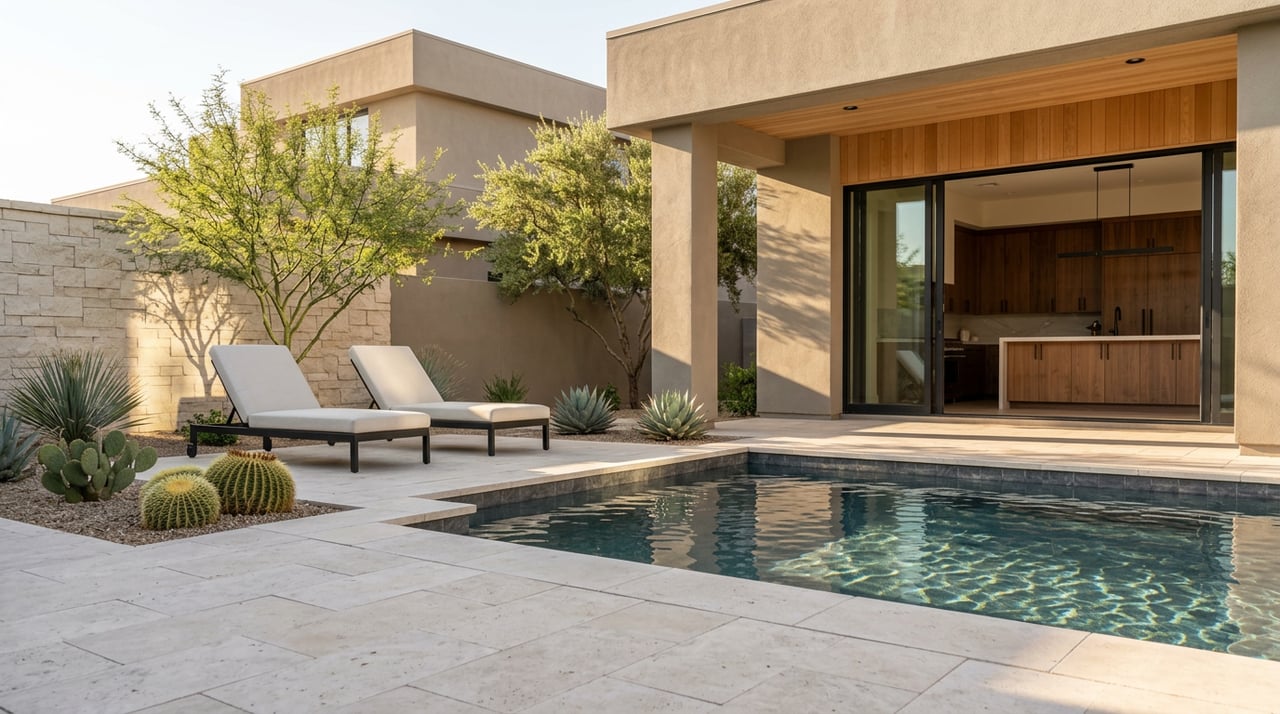
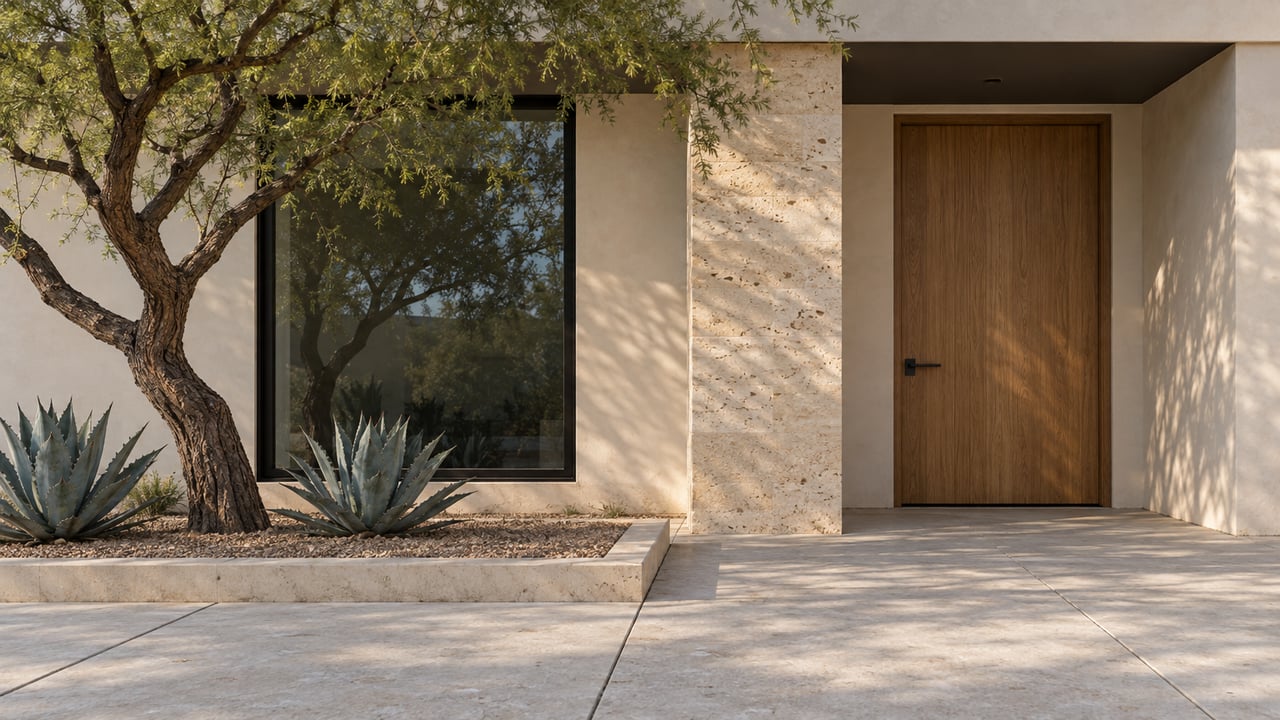
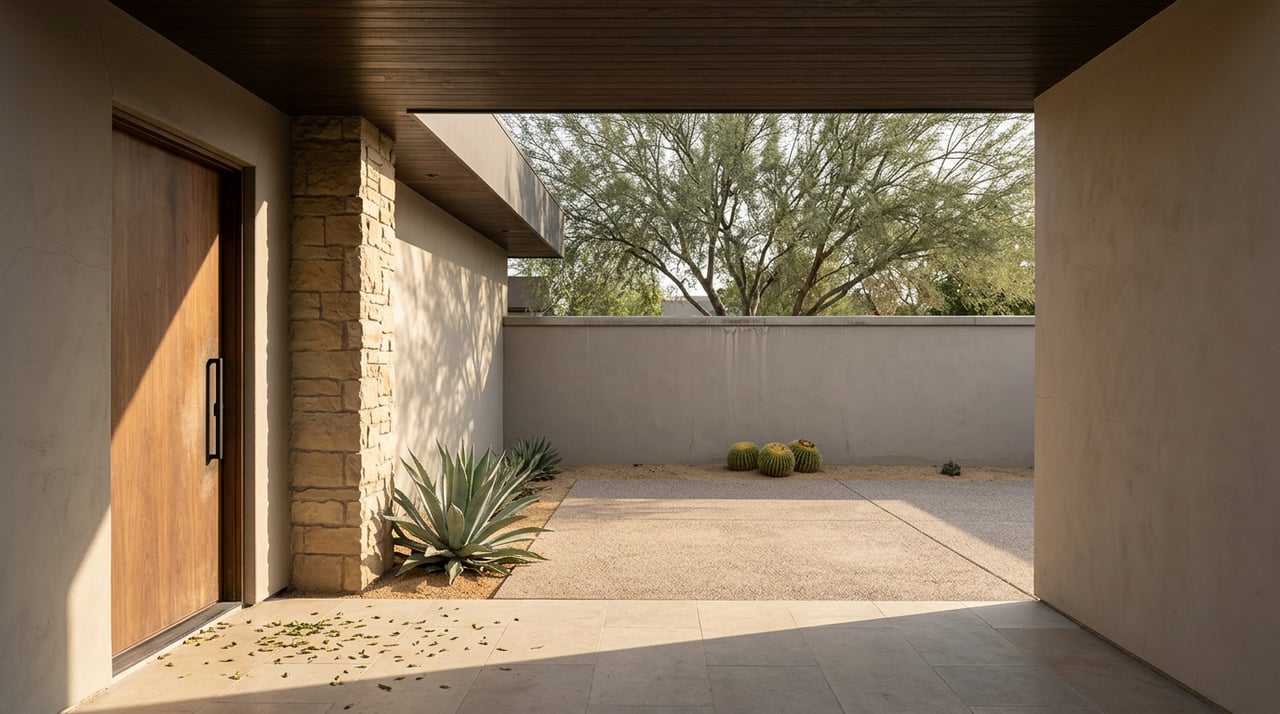
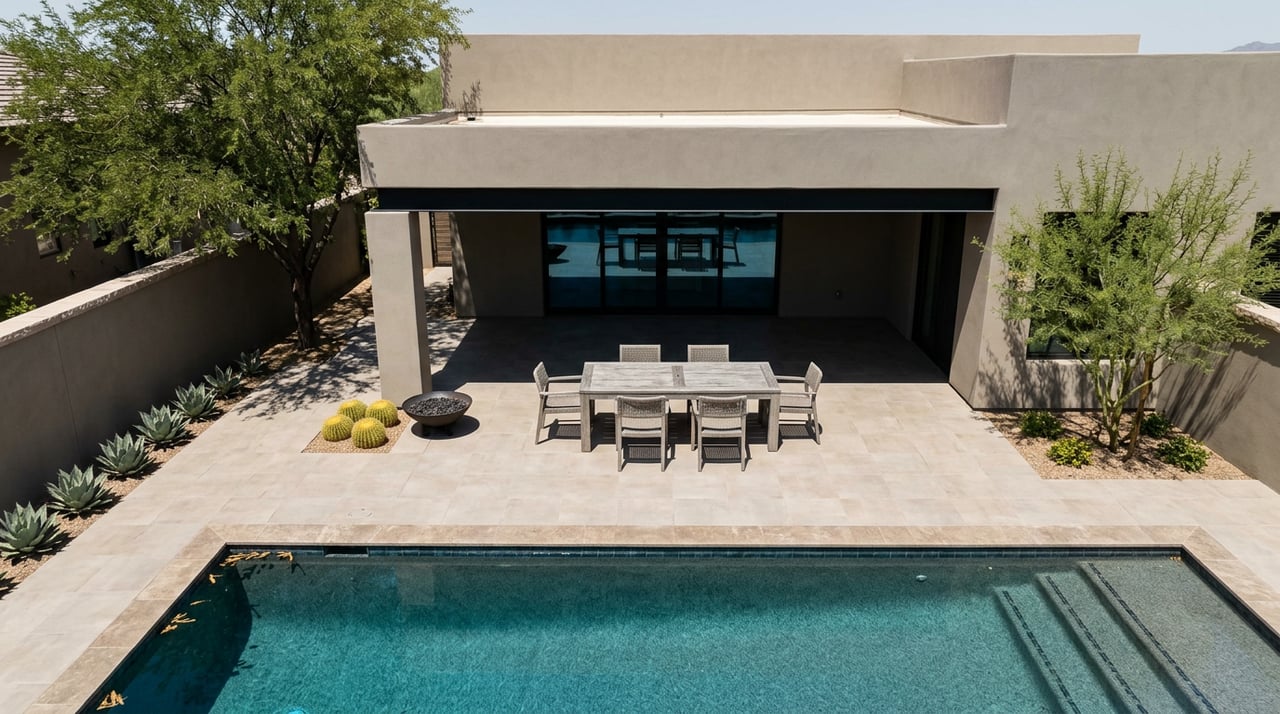
Thinking about a vacation rental in North Scottsdale Estates? The upside looks great at first glance: strong winter demand, golf-driven travel, and premium nightly rates. But success comes from getting the rules, numbers, and property fit right before you buy. In this guide, you’ll learn the licensing steps, HOA pitfalls, revenue benchmarks, seasonality patterns, and a clear due diligence plan tailored to North Scottsdale. Let’s dive in.
Know the rules first
Before you host a single night, you need to be fully compliant. Scottsdale, Maricopa County, and the State of Arizona each have requirements you must complete.
City of Scottsdale requirements
- License: Every home rented for fewer than 30 days must carry an annual City of Scottsdale vacation or short-term rental license. The license is per property and non-transferable. You will maintain current contact information and follow display rules for the license number on listings if required. Review the city’s overview to understand the process and timelines in the Vacation and Short-Term Rentals guide.
- Insurance: Scottsdale expects owners to maintain significant liability coverage for STR use, commonly at least $500,000. Confirm your policy meets city guidance in the city’s STR page.
- Neighbor notification and posting: You must notify adjacent single-family residences before your first listing and post required good-neighbor and contact information inside the home. Details are outlined in the city’s licensing process guide.
- Nuisance enforcement: Party and nuisance rules are enforced. You must designate a local contact who can respond to complaints.
County and state requirements
- County rental registration: Arizona law requires you to register residential rentals with the county assessor prior to occupancy. In Maricopa County, use the online portal and do not rent before registration. See the county’s guidance on Residential Rental Registration.
- Transaction Privilege Tax (TPT): You must obtain an Arizona TPT license, then collect and remit applicable transient lodging taxes for stays under 30 days. Combined state, county, and city lodging taxes are material and can reach the mid-teens in percentage once stacked. Review current guidance from the Department of Revenue and confirm local rates. Start with the AZ DOR TPT update and verify current rates on AZTaxes.
State preemption and HOA rights
- Arizona preemption: State law limits how cities can regulate STRs. Cities cannot ban them outright by zoning, but can require licensing, insurance, safety, and nuisance controls. Read A.R.S. §9-500.39 for scope and limits on local regulation in the Arizona Revised Statutes.
- HOA rules: Private HOAs can restrict or prohibit short stays, set minimum rental periods, add guest registration, parking rules, and fines. Always obtain the full CC&Rs and a written statement from the HOA confirming whether short-term rentals are allowed. The City reinforces that HOAs can set stricter rules in its STR guidance.
Seasonality and demand drivers
Scottsdale’s demand is concentrated in cooler months, with well-known event spikes.
- Peak season: Late fall through early spring is the high season. Expect elevated occupancy and rates from roughly October or November through March or April. Signature events such as Barrett-Jackson at WestWorld and golf week activity lift demand in mid-winter. See event context from Barrett-Jackson’s Scottsdale information and broader tourism research via Experience Scottsdale.
- Spring training: MLB Cactus League activity in February and March adds a concentrated booking window for baseball fans.
- Low season: June through August is slower due to heat. Many hosts reduce ADRs, increase minimum stays, or target longer bookings such as corporate relocations during summer. Experience Scottsdale’s research highlights the strong seasonality in visitor patterns.
Pro tip: Build your pricing calendar around these windows. Set higher ADRs and tighter minimum-stay rules for key dates, then add value and longer minimums to keep occupancy in the summer.
What guests want in North Scottsdale
You will see several guest types in North Scottsdale, each with clear preferences.
- Snowbirds and long-stay winter visitors want quiet neighborhoods, comfortable workspaces, and easy access to golf and dining. Research indicates strong winter traveler interest in these segments, highlighted in Experience Scottsdale’s research.
- Golf travelers and groups often seek homes near premier courses like Troon North and TPC Scottsdale, with bedrooms that offer privacy, outdoor gathering areas, and a pool.
- Event travelers and spring-training fans look for convenient access to WestWorld, TPC Scottsdale, and training venues during short, high-demand windows.
- Family vacationers value space, a private pool, a well-equipped kitchen, and simple parking.
Design your property and listing to serve these needs. Highlight proximity to golf and events, create comfortable sleeping layouts, and invest in outdoor living areas that photograph well.
Revenue benchmarks to start your pro forma
Market-level data gives you a baseline. Always verify at the address level before you buy.
- Scottsdale market: Recent Airbtics summaries show Scottsdale with average occupancy around 66 percent and ADR near 242 dollars. Typical annual gross per listing often lands near 60,000 dollars depending on home size and seasonality. Use these as starting points and compare to your comps. See the Scottsdale dashboard.
- North Scottsdale submarket: Airbtics reports about 64 percent occupancy and a higher ADR near 268 dollars, with an average annual gross around 61,000 dollars. This reflects the premium for larger homes and golf or estate properties. Review the North Scottsdale snapshot.
Example baseline: At 268 dollars ADR and 64 percent occupancy, a simple top-line estimate is roughly 62,000 dollars per year before expenses. Your actuals will vary by address, design, pool, and proximity to golf and events. Run address-level rentalizers and compare to active neighborhood comps.
Costs that shape your returns
Revenue is only half of the picture. Build a conservative expense model so you are not surprised after closing.
- Management fees: Full-service property managers commonly charge in the mid-teens to around 20 percent of gross rents, with some variation by service level. Industry disclosures show similar ranges. Review manager contracts and fee tiers and see examples of fee structures in public filings such as this SEC document.
- Cleaning and turnovers: Costs scale with bedroom count and square footage. Guests often pay a cleaning fee, but you still budget for deep cleans and linens.
- Utilities and pool: Expect higher A/C use in summer plus pool chemicals, pump electricity, and routine service. Ask for 12 to 24 months of utility and pool invoices during due diligence.
- HOA dues: If your target property sits in a condo or master-planned community, dues can be a significant fixed cost. Include them as a monthly line item and confirm what they cover.
- Insurance: You will need proper STR or enhanced liability coverage that meets Scottsdale’s expectations. Start with the city’s rules and insurance guidance and get quotes before you buy.
- Taxes: Short stays are subject to state, county, and city transient lodging taxes. Platforms may handle some collection, but you are responsible for compliance. Confirm the current combined rates with the Department of Revenue starting at the AZ DOR TPT update page and on AZTaxes.
- Reserves and maintenance: Budget for HVAC, pool equipment, exterior paint, roof, and desert landscaping. Many investors hold 5 to 10 percent of gross revenue for reserves on mid to luxury homes, then adjust by property age and systems.
HOA and property-fit checklist
North Scottsdale offers several property types, each with unique operating profiles.
- Luxury single-family estates: These often command the highest ADR and attract golf groups and families. They also carry higher fixed costs for pools, landscaping, and utilities.
- Golf-course and gated communities: Proximity to Troon and TPC areas is a draw, but master HOAs may add membership rules or stricter guest policies.
- Condos and townhomes: Lower exterior maintenance can simplify operations. Some communities have tighter rental rules and higher dues, so read every document.
When reviewing CC&Rs, look for these items:
- Minimum-stay rules or any prohibition on rentals under a certain length.
- Parking limits, quiet hours, and event restrictions with fine schedules.
- Caps on the number of rentals per owner or total rentals allowed.
- Guest registration procedures and on-site conduct rules.
Request the CC&Rs, rules and regulations, and recent board minutes. Ask the HOA, in writing, if any rental-related amendments are pending. A single clause can make or break your STR plan.
Step-by-step due diligence plan
Use this checklist to underwrite a North Scottsdale Estates property for vacation rental use.
- Confirm jurisdiction and zoning context. Most North Scottsdale neighborhoods sit inside the City of Scottsdale. Verify the parcel’s city boundaries and apply Scottsdale’s rules if applicable.
- Pull documents. Request full CC&Rs and a written HOA statement on rental policy. Ask the seller for the past 12 to 24 months of STR P&L, platform payouts, utilities, pool invoices, and any repair records. The City reinforces HOA authority on its STR page.
- Run address-level revenue. Use an address-level rentalizer and compile three to four active comps with similar size, pool, and golf proximity. Benchmark against the Scottsdale and North Scottsdale averages.
- Map compliance and insurance. Budget for the city license and posting requirements, county rental registration, TPT licensing and filings, and appropriate STR insurance. The city’s licensing guide outlines owner obligations.
- Compare managers. Interview two or three local property managers. Ask for sample contracts, fee schedules, and a sample owner P&L. Public filings illustrate common fee ranges in the industry, as seen in this SEC disclosure.
- Negotiate smart contingencies. Make your offer contingent on written HOA confirmation that short-term rentals are permitted. Allow time to review all financial and compliance records.
Smart pricing and summer strategy
North Scottsdale rewards dynamic pricing that matches the calendar.
- Winter and events: Tighten minimum stays and raise ADR for peak weeks such as Barrett-Jackson, the WM Phoenix Open week at TPC Scottsdale, and spring training blocks.
- Shoulder months: Use flexible minimums and value-adds like pool heating or extended-stay discounts to fill gaps.
- Summer: Market longer stays, emphasize indoor comfort and shade, and right-size ADR expectations. Calibrate to electricity costs and offer weekly or monthly pricing to reduce turnovers.
How The Phil Tibi Group helps
If you want an income-producing home in North Scottsdale Estates, you deserve a clear, concierge process. Our team brings luxury market experience, data-backed guidance, and a vetted network to help you buy with confidence. We can:
- Curate on- and off-market options that align with your rental goals, HOA parameters, and budget.
- Benchmark revenue using address-level comps and market dashboards, then pressure test with sellers’ actuals.
- Coordinate the compliance roadmap, from city licensing to county registration and STR insurance quotes.
- Introduce trusted property managers and 1031 specialists, and advise on listing strategy when you are ready to rent.
When you are ready to start or refine your North Scottsdale investment search, connect with The Phil Tibi Group for a focused, high-touch plan.
FAQs
What licenses do I need to run a vacation rental in Scottsdale?
- You need an annual City of Scottsdale STR license, a Maricopa County residential rental registration before occupancy, and an Arizona TPT license to collect and remit transient lodging taxes.
Can my HOA block short-term rentals in North Scottsdale Estates?
- Yes. Arizona allows STRs at the state level, but HOAs can set stricter CC&Rs that limit or prohibit short stays, impose minimum-stay lengths, or create guest rules with fines.
When is the best season to earn revenue in Scottsdale?
- Late fall through early spring is peak, with event spikes around Barrett-Jackson, the WM Phoenix Open, and spring training. Summer is the low season due to heat.
What ADR and occupancy should I underwrite for North Scottsdale?
- Airbtics reports North Scottsdale around a 268 dollar ADR and 64 percent occupancy recently. Always run an address-level rentalizer and compare to local comps before finalizing your pro forma.
What operating costs surprise first-time STR owners most?
- Air conditioning and pool expenses in summer, higher insurance for STR use, management fees, and turnover costs. HOA dues can also be significant in condos and master-planned communities.
How do I confirm I am inside the City of Scottsdale for STR rules?
- Verify the parcel’s municipal boundaries using local parcel and assessor resources, then apply the City of Scottsdale’s licensing and operating requirements if it falls within city limits.